The demand for 'always-on' content and campaigns never lets up. For ad ops managers and media planners, this creates a tough operational challenge. Delivering timely, relevant messaging across a fragmented ecosystem is hard enough, especially when tied to tentpole events or seasonal content that returns year after year. You can't simply 'turn on' a campaign. The real work is coordinating every moving part with precision and efficiency.
Take ESPN's recent "Football's On" campaign. On the surface, it is a straightforward promo reminding viewers of their extensive NFL programming. Beneath that simple message sits a massive operational undertaking. For a brand like ESPN, launching a major sports season means activating across dozens, if not hundreds, of channels, with variations for different audiences, platforms, and stages of the season. Ad ops and campaign management teams aren't managing a single creative. They are handling a continuous wave of assets, media buys, and performance monitoring. The core challenge is making a vast operation look effortless to the viewer while keeping internal teams out of a sea of spreadsheets and ad hoc workflows.
Managing Campaign Metadata for Seasonal Content
A campaign like "Football's On" is complex because of its scale, duration, and constant updates. A sports season isn't a one-and-done event. It is a multi-month marathon covering pre-season hype, weekly games, playoff drama, and post-season analysis. Each phase needs fresh creative, targeted messaging, and specific media placements. Strong campaign metadata management makes this possible. Without a clear, standardized framework for tagging and organizing every asset, media plan, and campaign variant, teams quickly lose control.
Consider the volume of creative assets: video promos for linear TV, display ads for web and app, social media creatives, native content placements, and programmatic banners. All of them need consistent branding, messaging, and calls to action. Managing this volume requires a system that categorizes every asset by sport, season, platform, audience segment, and campaign phase. Strict naming convention software protocols for files and campaigns are just as important. Good naming keeps things tidy, enables accurate tracking and reporting, and prevents costly errors. A mislabeled asset or an inconsistent campaign ID can lead to wasted spend, inaccurate attribution, and a fractured brand experience across channels. A centralized campaign operations platform acts as a single source of truth, making it easy to search, retrieve, and deploy the right asset at the right time.
Coordinating Creative and Media Planning at Scale
The real test for an ad ops team running an 'always-on' campaign is synchronizing creative output with media activation. Having the creatives ready is only half the job. They must reach the correct ad platforms at the exact moment they are needed, targeting the right audiences. That requires media planning software built directly into the campaign workflow.
For a campaign like ESPN's, media planning covers direct buys, programmatic channels, social media platforms, search engines, and more. Each channel has its own specifications, lead times, and performance metrics. Manually coordinating creative approvals with media buys across all these touchpoints creates bottlenecks and missed opportunities. An integrated ad operations platform streamlines the work by giving everyone a unified view of all campaigns, from initial concept to final activation. Creative teams can upload and version assets, media planners can assign them to specific placements, and ad ops can push them live, all within a single system.
This integration also improves campaign QA software. Before any creative goes live, it needs a thorough check. Is the copy correct? Is the legal disclaimer present? Does it meet platform specs? Are the tracking parameters set up accurately? Manual QA is slow and prone to mistakes. A platform with automated checks and a structured approval workflow cuts the risk of costly errors, protecting brand consistency and compliance across every 'Football's On' message, wherever and whenever it runs.
Building Repeatability for Recurring Campaigns
"Football's On" is one example of a recurring, high-volume campaign. From seasonal sales events to ongoing content promotions, every team needs operational agility. Digital marketing and advertising pros can look past ESPN's messaging to the operational backbone required to support that kind of effort consistently.
Ad operations depends on consolidation and automation. Manually jumping between separate tools for creative management, media planning, and campaign activation doesn't scale. Using an integrated campaign operations platform like AdSoda turns these chaotic workflows into repeatable processes. It gives you a single source of truth for campaign metadata, centralizes creative assets, automates media plan execution, and builds in QA from the start. That structure prevents headaches and frees your team to focus on strategy and optimization instead of admin work, keeping your 'always-on' campaigns on track.
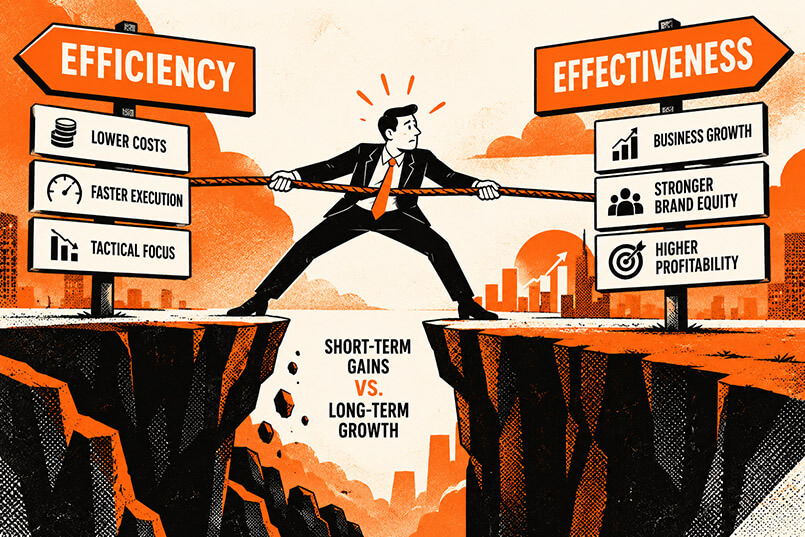
Image: Gemini Nano Banana (A dynamic visual representation of campaign elements, including creatives, data points, and media channels, flowing and connecting within a structured, cloud-based platform, symbolizing operational efficiency and cohesion for large-scale, recurring campaigns.)