
Beyond Google: Operationalizing Your Expansion to Microsoft Advertising for Strategic Advantage
The relentless pressure to find incremental reach and optimize media spend often pushes advertising teams beyond the familiar territories of Google Ads. As…

Source: Unsplash
The relentless pressure to find incremental reach and optimize media spend often pushes advertising teams beyond the familiar territories of Google Ads. As saturation points shift and CPAs climb, the strategic imperative to diversify channels becomes undeniable. For ad ops managers, media planners, and campaign managers, this isn't just about adding another platform; it's about extending an existing operational framework without sacrificing efficiency or precision. Expanding into Microsoft Advertising (formerly Bing Ads) presents a unique opportunity, but it demands more than a simple copy-paste of existing Google Ads campaigns. It requires a nuanced understanding of platform distinctions and a robust operational strategy to truly unlock its potential.
At its core, Microsoft Advertising mirrors Google Ads just enough to feel familiar, yet its differences are significant enough to warrant dedicated attention. Ignoring these nuances can lead to wasted budget, prolonged learning curves, and frustratingly inconsistent performance. The key lies in approaching this expansion not as a side project, but as an integrated part of your broader media planning and ad platform activation strategy.
Strategic Onboarding: Precision in Initial Setup
The most common entry point into Microsoft Advertising is through search campaigns, often leveraging existing Google Ads structures. However, this is where the first critical operational decision point arises. A direct, unthinking import risks transferring inefficiencies and overlooking platform-specific optimizations. Instead, approach this with strategic precision, particularly regarding initial campaign structure and keyword selection.
Firstly, consider a focused start. If your Google Ads campaign boasts numerous ad groups, initiate your Microsoft Advertising effort with only the top-performing 3-5 ad groups based on your primary KPIs. This allows for concentrated budget allocation on proven performers, accelerating the learning phase and demonstrating value quicker. This selective import necessitates strong campaign metadata management to ensure proper tracking and comparison, preventing data silos from the outset.
Secondly, exercise extreme caution with match types. Microsoft Advertising's broad match is notoriously looser than Google's, often triggering ads for highly irrelevant search queries. This isn't just about wasted spend; it's an operational risk that can quickly deplete budgets before campaigns gain traction. For new campaigns with limited historical data, strict match types (exact, phrase) are advisable. If broad match is deemed essential, segment it into a separate campaign with tightly controlled bids and budgets. This level of campaign QA software vigilance at setup is crucial for protecting initial investment and building a clean data foundation.
Navigating the Learning Curve and Unique Value Propositions
While Google Ads campaigns might stabilize within two weeks, Microsoft Advertising typically requires a longer learning period – often 4-8 weeks, depending on budget and conversion volume. This extended timeframe is a direct consequence of its smaller search volume. For ad ops teams, this means adjusting expectations, communicating realistic timelines to stakeholders, and, critically, resisting the urge for frequent or dramatic adjustments to bids and budgets. Premature optimization during this phase can reset learning and obscure valuable insights.
This extended learning period underscores the importance of a robust ad operations platform that provides granular reporting and trend analysis. It allows you to monitor performance without knee-jerk reactions, enabling data-driven decisions when the campaign truly stabilizes. Consistent naming convention software applied across platforms is paramount here, ensuring that despite differing learning rates, your reporting remains unified and comprehensible.
Beyond search, Microsoft Advertising offers distinctive advantages that can be incredibly valuable for specific marketing objectives:
LinkedIn Profile Targeting: A standout feature for B2B advertisers, the ability to leverage LinkedIn's professional data (company, industry, job function) directly within your targeting is unparalleled. This opens doors to highly precise audience segmentation that Google Ads cannot replicate. Integrating this into your
media planning softwarestrategy allows for truly audience-centric campaign design.Audience Ads: Native to the Microsoft ecosystem, these blend into content feeds across MSN, Outlook, and Xbox. They shift the focus from search intent to user demographics and behavior, offering a powerful way to expand reach beyond active search queries. For these formats, robust
creative asset managementis essential, as the visual and contextual requirements differ significantly from standard search ads.Lower CPCs and Unique Placements: With fewer advertisers, CPCs tend to be more competitive, offering a potentially lower-cost avenue for qualified traffic. Additionally, exclusive placements like MSN, Outlook, and Xbox provide unique opportunities to connect with audiences who might be less accessible on other networks.
Building a Future-Proof Multi-Platform Strategy
Operationalizing your expansion to Microsoft Advertising isn't just about setting up campaigns; it's about integrating a new, valuable component into your overarching digital marketing ecosystem. For busy ad ops and media professionals, this means leveraging technology to manage complexity.
A unified campaign operations platform like AdSoda.io can streamline this process significantly. Imagine managing creative assets tailored for both search and audience ads from a single repository, ensuring consistent naming convention software across all campaigns, and using advanced campaign QA software to validate your Microsoft Advertising setup against best practices. This integrated approach ensures that as you diversify your media spend, you're also building a scalable, resilient operational framework that drives efficiency and maximizes ROI across all platforms, not just the dominant ones.
Embrace Microsoft Advertising not as a secondary platform, but as a strategic differentiator. With meticulous planning, operational discipline, and the right technology, it can become a powerful engine for incremental growth and audience engagement that complements and enhances your existing digital strategy.
You might also like
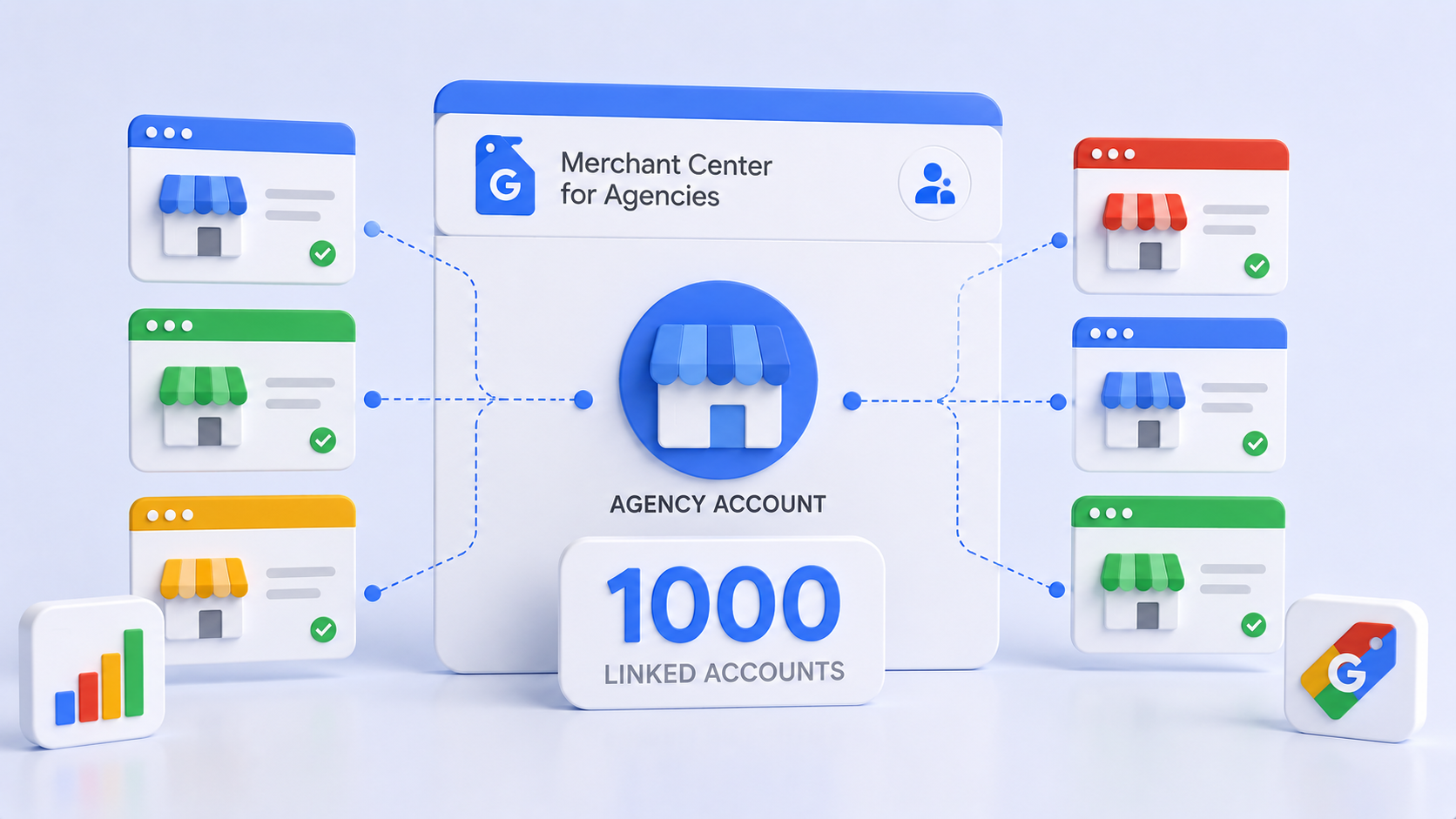
Scaling Retail Media: How Google Merchant Center's 1,000 Account Limit Redefines Ad Ops
In the relentless pursuit of scale and efficiency, modern advertising operations teams often find themselves at a crossroads. On one side lies the immense…
Read more →
Beyond the Click: Unlocking Incrementality with AI-Powered MMMs for Ad Ops Leaders
The digital advertising landscape is shifting, demanding more sophisticated ways to prove campaign effectiveness beyond last-click attribution. Discover how AI is democratizing Marketing Mix Modeling (MMM), making it accessible for ad ops managers and media planners to uncover true incremental value and strategically optimize their ad spend.
Read more →
Beyond Impressions: Operationalizing Deep Ad Platform Partnerships for Growth
The advertising landscape is shifting from transactional media buys to deeply integrated, strategic partnerships. This post explores how successful ad operations and media planning teams are operationalizing these complex alliances to drive growth, using platforms like Prime Video’s Thursday Night Football as a prime example. We'll delve into managing diverse creative assets, ensuring consistent campaign metadata, and leveraging powerful campaign operations platforms to unlock the full potential of these next-generation advertising ecosystems.
Read more →Ready to streamline your campaign operations? Sign up for AdSoda and take control of your media planning and ad activation — free to get started.