Retail media networks are merging with Connected TV (CTV), and few shifts put more operational load on ad ops managers, media planners, and marketing technologists. Reaching audiences across these combined channels brings new targeting opportunities alongside a lot of workflow complexity.
Look at Best Buy's announcement that it will sell Amazon Fire TV ad inventory. For Best Buy, it opens a new revenue stream by monetizing its private-label Insignia Fire TVs and giving advertisers direct access to its high-intent shopper data. For your team, it is another sign that your campaign operations platform and overall strategy have to keep up. You are now integrating another layer of data, handling new creative specifications, and rethinking how campaigns get planned, activated, and measured across a more fragmented ecosystem.
Retail Media Meets CTV
This convergence pairs first-party retailer data, often treated as the gold standard for intent, with the brand-safe environment of CTV. You can target people who browsed specific electronics categories on BestBuy.com and serve them a relevant ad directly on their Insignia Fire TV. The precision is hard to argue with.
That precision comes with real operational overhead. As more retailers like Best Buy step into this space, media planning turns into a patchwork of individual walled gardens and proprietary systems. Each new retail media network and CTV partner brings its own ad specifications, audience segmentation tools, reporting dashboards, and campaign setup protocols. When your job is to run clean campaigns across all of them, the work can quickly turn into a manual, error-prone mess.
Finding the inventory is only the first step; managing it is the harder part. Keeping campaign metadata management consistent across a Best Buy Fire TV buy, Google Ads, Meta, and your programmatic DSPs is tough. So is unifying measurement when every platform reports performance differently. Those problems point directly to the need for a centralized ad operations platform.
What Changes Across the Campaign Lifecycle
This shift affects day-to-day work at every stage of a campaign:
Media Planning: Your media planning software has to handle more than traditional channels. It needs to fold custom retail media buys into the broader plan while keeping a clear view of reach, frequency, and budget allocation. Otherwise, planning stays siloed and performance insights end up stranded in separate dashboards.
Creative Asset Management: Every new platform, especially in CTV, can bring specific creative requirements such as aspect ratios, file sizes, and bumper ad rules. Tracking all those creative versions and checking compliance by hand creates bottlenecks. A solid campaign operations platform gives you tools to centralize, version, and distribute creative assets so the right ad reaches the right platform without a last-minute scramble.
Campaign Naming and Tracking: Without standardized naming convention software, pulling data from a Best Buy Fire TV campaign into your broader analytics gets messy fast. Consistent naming and tracking are the foundation for accurate performance aggregation and attribution, especially when every source uses its own platform IDs and definitions.
Campaign QA and Compliance: More complexity means more room for mistakes. Between targeting parameters and creative rules, new channels require thorough campaign QA software. Launching ads accurately, on time, and in line with platform guidelines and brand safety standards protects both ROI and brand reputation.
Building Operations That Can Handle New Channels
This is where a dedicated campaign operations platform becomes essential. A single source of truth helps your team manage all of these moving parts. AdSoda.io is built for these exact problems. It lets you centralize media planning so new channels like Best Buy's Fire TV inventory fit into your broader strategy with consistent campaign metadata management. Our ad operations platform simplifies creative asset workflows, helping you adapt and deploy variations across platforms without manual oversight or version control headaches. AdSoda’s integrated naming convention software lays the groundwork for accurate data aggregation, and its campaign QA software helps your team keep campaigns accurate and compliant from initial plan through activation. That cuts down on errors and keeps data clean for unified reporting. With a centralized ad operations platform, you can move faster and turn channel fragmentation into an advantage.
Best Buy's move into Fire TV ad sales sends a clear signal: advertising will keep getting more fragmented, more data-rich, and more operationally demanding. For ad ops and media teams, this is a good reason to tighten processes and put the right technology in place. Focus on a campaign operations platform that centralizes your workflow, standardizes your metadata, and automates QA. Instead of scrambling every time a new inventory source appears, build the setup that lets you plug it in, scale with confidence, and run better campaigns. Strong creative and sharp targeting matter, but operational discipline is what makes them work.
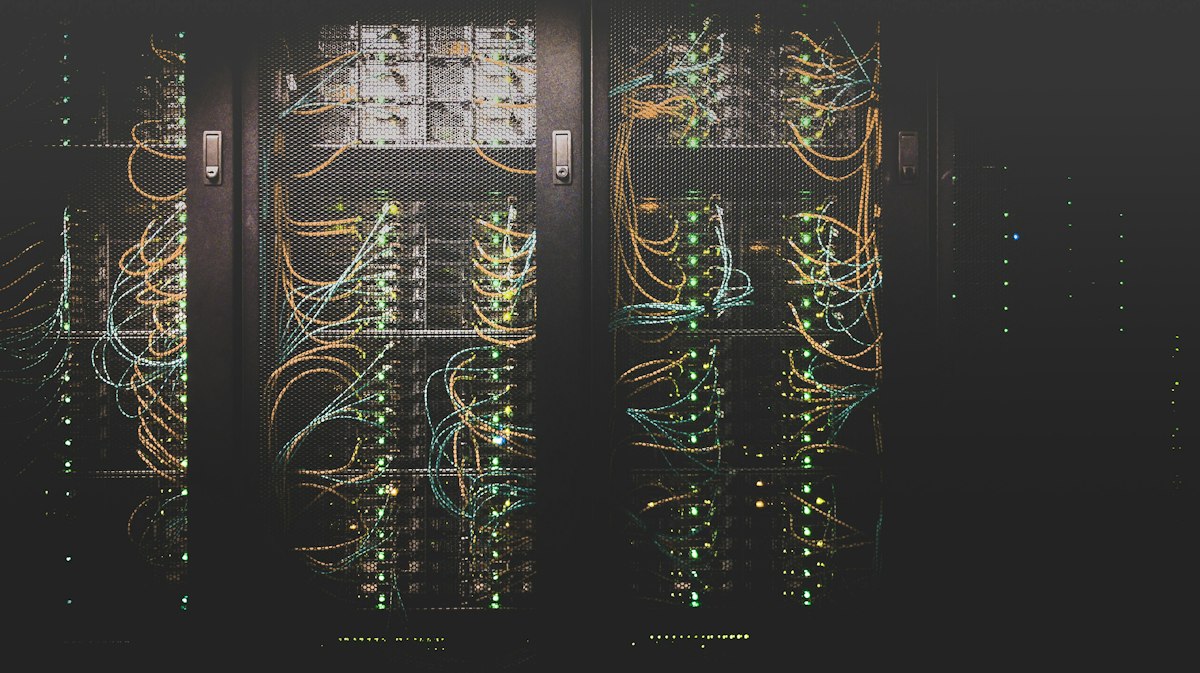
Image Description: An abstract, digital illustration depicting interconnected screens and data streams, symbolizing the convergence of retail media and CTV advertising. The imagery conveys complexity managed with precision, perhaps with subtle nods to shopper journey or data flow, rendered in modern, clean lines with a professional tech palette. Focus on the idea of multiple inputs (shopping carts, TV screens) feeding into a centralized, organized system.