Beyond the Spreadsheet Graveyard: Architecting AI-Powered Dashboards for Ad Ops Efficiency
Discover how to move past fragmented reports and spreadsheet overload. Learn to architect AI-powered dashboards that provide real-time, actionable insights for ad ops, media planning, and campaign management, leveraging clean data and strategic planning.

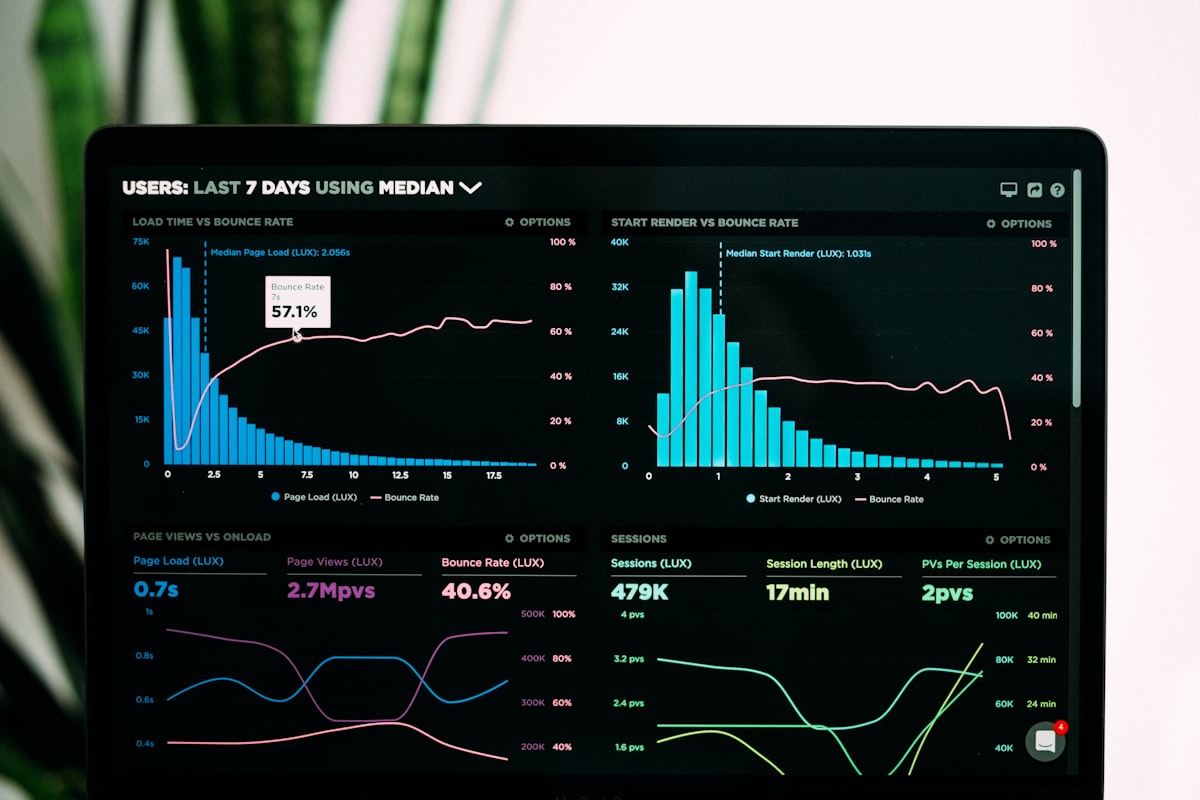
Source: Unsplash
In the trenches of modern digital advertising, we're simultaneously blessed and burdened by data. Billions of impressions, countless clicks, and a dizzying array of metrics across a fragmented landscape of ad platforms, DSPs, and analytics tools. The paradox? Despite this data deluge, genuinely actionable insights often remain elusive, buried beneath a “brick of Excel sheets” or scattered across disparate, manual reports. Ad ops managers, media planners, and campaign strategists spend precious hours compiling, consolidating, and verifying, rather than optimizing and strategizing.
This isn't just inefficient; it's a critical bottleneck. Your ability to quickly understand campaign health, track creative asset readiness, or verify media plan adherence directly impacts campaign performance and budget efficacy. Generic, off-the-shelf reporting often falls short, lacking the tailored configuration needed to truly reflect your unique operational workflows. But what if you could architect a real-time, AI-powered dashboard specifically designed to surface the exact operational intelligence you need, precisely when you need it?
The good news is that advancements in AI and data tooling make building such a dashboard more accessible than ever. The challenge, however, isn't just how to build it, but how to build it right — so it serves as an indispensable tool, not another digital dust collector. The key lies in strategic planning and understanding the foundational data infrastructure required.
Operationalizing Insights: From Raw Data to Real-Time Clarity
Imagine a single pane of glass that gives you an immediate overview of your entire campaign portfolio: creative asset status, budget pacing against media plans, real-time performance metrics, and even QA checks. For ad ops teams juggling multiple campaigns, each with myriad creative variations and platform-specific requirements, such a dashboard transforms reactive firefighting into proactive management.
A well-designed operational dashboard can consolidate critical information that typically lives in siloed systems. Think about tracking the lifecycle of your creative assets – from initial upload and review to version control and platform distribution. Or monitoring your media plan adherence across various publishers and ad networks. The power isn't just in seeing the numbers, but in visualizing their interdependencies and immediately spotting anomalies or opportunities.
This requires a robust campaign operations platform as its backbone. Platforms like AdSoda help centralize and standardize the very data feeds that power these intelligent dashboards. By managing campaign metadata management, ensuring consistent naming convention software application, and providing tools for creative asset management and media planning software integration, AdSoda creates the clean, structured data necessary for a dashboard to be truly effective. Without this foundational cleanliness, even the smartest AI will struggle to generate reliable insights.
Beyond “Vibe Coding”: Building for Enduring Impact
The accessibility of AI tools can be both a blessing and a curse. It's easy to get caught up in building something with all the bells and whistles, generating visually appealing charts without a clear purpose. This “vibe coding” approach leads to short-lived dashboards that ultimately fail to deliver tangible operational value.
The critical step, as any seasoned marketing technologist will tell you, is proper project scoping. Before you even touch a line of code or drag a single widget, you need a clear “product requirement document” for your dashboard. Ask yourselves:
- Who are the primary users? Ad ops managers, media planners, campaign strategists, leadership? Their needs and desired level of detail will vary significantly.
- What specific operational questions does it need to answer? Is it about creative approval bottlenecks? Budget overspend alerts? Campaign QA software compliance?
- What are the essential data sources? Which ad platforms, analytics tools, or internal systems (like your ad operations platform) need to feed this dashboard?
- How will the data be maintained and updated? Automating this is key to long-term utility. This is where standardized data flows and clean campaign metadata management become non-negotiable.
- What are the long-term maintenance implications? A static report is easy; a dynamic, living dashboard requires ongoing attention.
Building a dashboard isn't a one-off task; it's an investment in your operational efficiency. By defining clear objectives and understanding the user journey, you move beyond mere data display to creating a decision-making engine.
The Future of Ad Ops Visibility
In an era of increasing complexity and diminishing time, the ability to command a holistic view of your advertising operations is no longer a luxury—it's a necessity. Properly scoped and powered by clean, centralized data, an AI-enhanced dashboard can become the single source of truth for your teams, providing real-time visibility into campaign performance, creative asset readiness, and media spend efficiency.
This isn't about replacing human strategists; it's about empowering them with superior information, faster. By leveraging a robust campaign operations platform like AdSoda to centralize your campaign metadata management, standardize your naming convention software, and streamline your campaign QA software, you lay the groundwork for dashboards that truly make your case for you. They don't just report history; they illuminate pathways to future optimization.
To move beyond fragmented reports, start by identifying the single most critical operational bottleneck or decision point that currently lacks real-time visibility. Then, map out the exact data points required to address it, focusing on ensuring that data is clean and consistently managed within your ad operations platform. Build your dashboard iteratively, prioritizing functionality that directly impacts operational efficiency and strategic decision-making, ensuring it's an enduring asset, not just a fleeting trend.
You might also like
Beyond the Big Game: How Strategic Authenticity Powers Ad Ops Efficiency
Learn how Carhartt's authentic NFL campaign offers insights for ad ops managers and media planners. Discover how strategic clarity can simplify campaign operations, from creative asset management to media planning, driving efficiency and ROI in a complex digital landscape.
Read more →
From Fragmented to Focused: Mastering Your Campaign Portfolio with Strategic Operations
Discover how Politico's strategic content consolidation offers a powerful metaphor for ad ops. Learn to apply a 'productized' approach to your campaigns, leveraging a campaign operations platform for precision targeting, structured creative asset management, and streamlined media planning. Master the art of managing complex campaign portfolios to drive superior performance and operational efficiency in a fragmented digital landscape.
Read more →
2026 World Cup Ads: Unpacking Peak Performance for Your Campaign Operations
The 2026 World Cup ad rankings offer crucial insights beyond just creative appeal, focusing on measurable consumer engagement predictive of sales. For ad ops and campaign management professionals, this data underscores the critical role of robust campaign metadata management, smart media planning, and agile ad platform activation to drive real ROI. Learn how leveraging a sophisticated campaign operations platform can transform these insights into repeatable success for your future campaigns.
Read more →Ready to streamline your campaign operations? Sign up for AdSoda and take control of your media planning and ad activation — free to get started.