From Missing Parameters to Missing Insights: Strengthening Your Campaign Ops with Precision Data
Google Analytics' new alert for missing URL parameters signals a deeper challenge in campaign operations: data integrity. Learn how proactive metadata management and integrated campaign operations platforms can prevent data gaps, improve attribution accuracy, and enhance overall campaign performance.
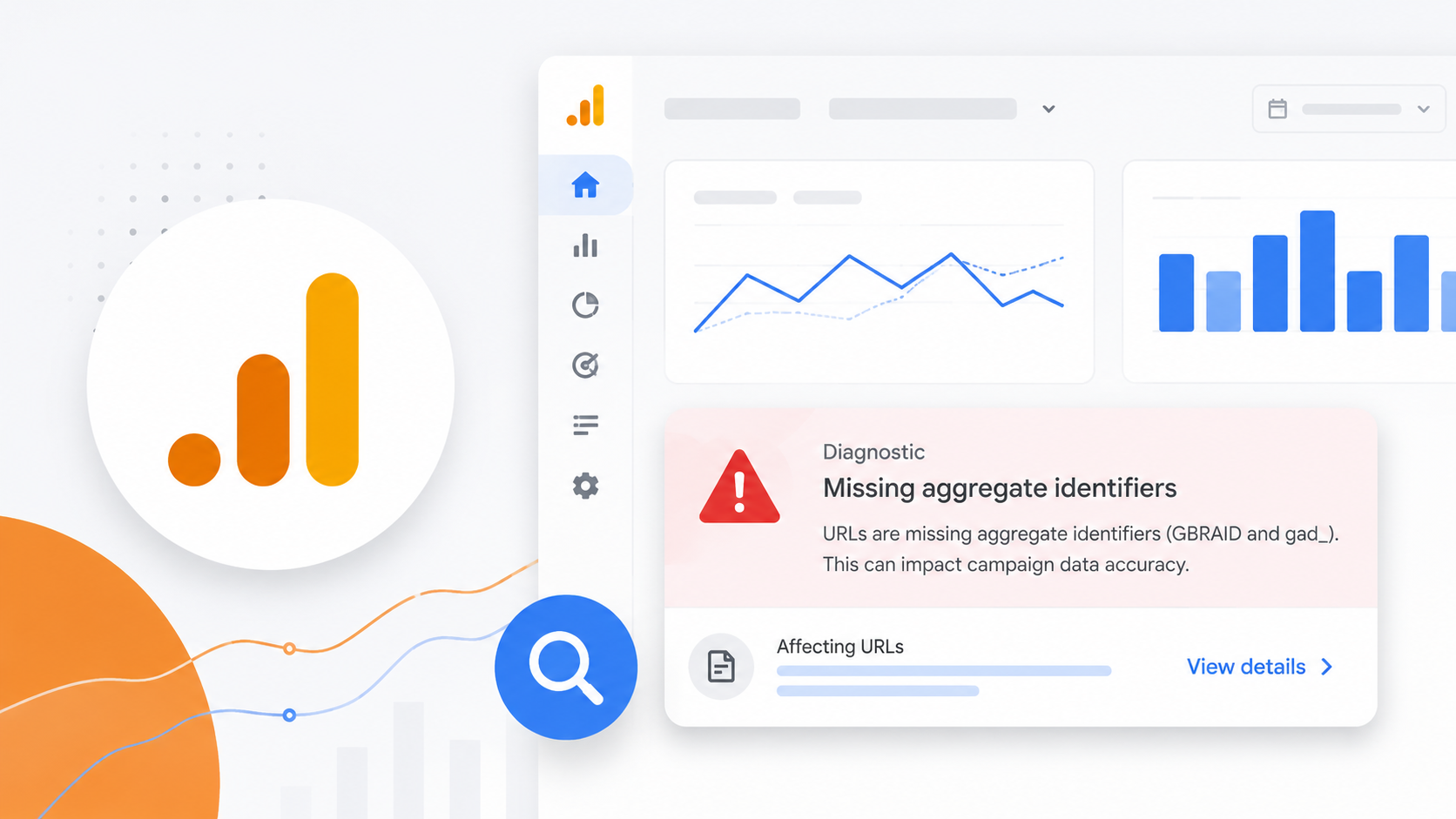
In an advertising landscape where data is king and granular attribution is the holy grail, there's little room for ambiguity. Yet, ask any ad ops manager, media planner, or campaign manager, and they'll confess to the nagging frustration of 'dark traffic' – phantom conversions and untraceable clicks that dilute performance insights. Google Analytics recently rolled out a new alert feature for missing aggregate identifiers, specifically URL parameters. While a welcome diagnostic tool, this isn't just a minor GA update; it's a flashing red light signaling a deeper, systemic challenge in campaign operations: the integrity of your foundational campaign data.
For professionals operating at the sharp end of digital advertising, the ability to accurately track, attribute, and optimize campaigns is paramount. Every budget dollar is scrutinized, and performance hinges on precision. A missing UTM parameter isn't just a line item; it’s a direct impediment to understanding what’s working, where to allocate spend, and ultimately, how to prove ROI. This underscores a critical need for robust campaign metadata management – the meticulous structuring of information that defines every single touchpoint of your advertising efforts.
The Ripple Effect of Data Gaps
Imagine launching a multi-channel campaign. Creative assets are perfected, media buys are strategically placed, and activation is complete across platforms. Then, the first reports come in. Your Google Analytics alert flags missing URL parameters for several key placements. What does this truly mean for your team?
For a media planner, it means their carefully constructed audience segments and channel performance data are now compromised. Without precise attribution, how can they confidently shift budget towards high-performing placements or defend existing allocations? Their media planning software becomes less effective, as the inputs are flawed. For a campaign manager, it translates into an inability to provide accurate, data-backed reports to stakeholders, eroding trust and making optimization decisions a guessing game. "Direct traffic" or "unassigned" categories swell, masking the true origin and effectiveness of hard-earned clicks and conversions.
From an ad ops perspective, it’s a nightmare of manual reconciliation, auditing, and trying to reverse-engineer data that should have been pristine from day one. This reactive firefighting diverts valuable time and resources away from strategic initiatives. The cost isn't just in lost data; it's in wasted ad spend on underperforming segments that can't be identified, the opportunity cost of delayed optimizations, and the sheer operational inefficiency born from preventable errors. It highlights a common vulnerability in the often-complex handoff between planning, creative, and activation – a gap that traditional tools struggle to bridge effectively.
Proactive Precision: From Diagnostics to Prevention
While Google Analytics' new diagnostic alert is a step in the right direction, it's inherently reactive. It tells you after the fact that something is broken. The true strategic advantage lies in preventing these data gaps from occurring in the first place. This requires a shift from post-launch auditing to pre-launch validation and standardization – a core tenet of modern campaign operations platform thinking.
This is where an integrated ad operations platform like AdSoda.io becomes indispensable. Instead of reacting to GA alerts, teams can proactively ensure data integrity from the very first step of campaign setup. AdSoda streamlines the entire process, from creative asset management to media planning and ad platform activation, by enforcing consistent naming convention software and structured campaign metadata management.
Imagine a system where every URL parameter is automatically generated and validated based on predefined rules, eliminating human error. Where campaign QA software identifies potential issues – like missing or malformed tracking codes – before a single ad impression is served. This isn't just about avoiding a GA alert; it's about building a robust foundation for all your digital advertising efforts. It ensures that the granular data required for accurate attribution models, effective A/B testing, and informed budget allocation is captured consistently, every time.
Elevating Your Operational Standards
Google Analytics' new alert serves as a powerful reminder that data integrity isn't just an analytics problem; it's an operational challenge that demands a systemic solution. Moving forward, the most successful marketing and advertising teams will be those that prioritize operational excellence, shifting from reactive problem-solving to proactive prevention.
It's time to elevate your campaign operations beyond patchwork solutions and manual audits. Look to integrated platforms that empower your team with automated validation, robust metadata management, and proactive QA, ensuring every campaign is launched with data integrity built in, not bolted on. Your attribution models – and your peace of mind – will thank you.
You might also like

Optimizing Your Ad Ops Stack: Integrating Google Analytics Dashboards for Deeper Insights
Google Analytics' new customizable Dashboards streamline post-click performance reporting. But for true efficiency, ad ops professionals need to integrate these insights with robust pre-launch campaign operations, ensuring data quality and consistency from the very start. Learn how to leverage specialized platforms for a holistic, proactive approach to campaign optimization.
Read more →
The Invisible Wrecking Ball: Why Indexing Gaps Threaten Your Ad Campaign Performance
A recent Google Search Console fix brought relief after a long indexing data delay, but it highlighted a critical vulnerability: how unindexed landing pages silently erode ad spend. This isn't just an SEO issue; it's a fundamental challenge for ad ops, media planners, and campaign managers. Learn how comprehensive ad operations platforms like AdSoda.io, with campaign metadata management and QA software, can bridge this data gap, safeguard your budget, and ensure campaign integrity in a world where foundational visibility is paramount.
Read more →
Beyond the PR: Why Platform Protocol Shifts Demand a Proactive Ad Ops Strategy
The Meta teen safety settlement signals a critical shift: platform protocols are increasingly driven by regulation, not just innovation. For ad ops, this means a growing burden of compliance. Learn how proactive strategy, robust campaign metadata management, and dedicated campaign operations platforms are essential to navigate this new era.
Read more →Ready to streamline your campaign operations? Sign up for AdSoda and take control of your media planning and ad activation — free to get started.