Google Ads Tag Management: Convenience vs. Campaign Chaos?
Google Ads may soon integrate Tag Manager controls. What does this mean for your campaign operations and data integrity? Explore the pros and cons of this potential shift and how to maintain control in a fragmented landscape.

Feeling the squeeze between launching campaigns faster and maintaining control over your ad tech stack? Google’s potential move to integrate Tag Manager controls directly into the Google Ads interface is generating buzz, promising streamlined setup and less reliance on external tools. But before you ditch your dedicated tag management solutions, let's unpack what this could mean for campaign operations and how to avoid potential pitfalls.
For years, ad ops teams have relied on tag management systems (TMS) like Google Tag Manager (GTM) to centralize and govern the deployment of tracking pixels, analytics tags, and marketing automation triggers. This approach offers flexibility, version control, and collaboration benefits crucial for complex campaign setups. The prospect of bringing some of that functionality into Google Ads is tempting, especially when deadlines are looming. Think about it: faster pixel implementation, reduced dependence on developers, and potentially a simplified workflow. Sounds great, right?
However, the integration also raises some critical questions for those responsible for campaign integrity and data quality. Could this simplification lead to data silos? What happens to your tag governance protocols when you have two separate systems potentially managing the same tags? Where does change management happen? And how do you ensure naming convention compliance across your team?
The Allure and the Agony: Weighing the Pros and Cons
The core benefit of integrated tag management is convenience. The promise of managing tags directly within the Google Ads interface could speed up campaign launches, especially for smaller teams or simpler campaigns. For example, adding a remarketing pixel or setting up conversion tracking becomes a more immediate process.
However, the convenience factor might overshadow critical operational concerns. Many organizations rely on sophisticated tag management strategies to ensure consistent data collection across various platforms and channels. Centralizing these processes in a dedicated TMS helps maintain a single source of truth, minimizes errors, and ensures compliance with data privacy regulations. If campaign metadata management is only partly addressed within Google Ads, it could fragment your data landscape, leading to inconsistencies and inaccurate reporting. Consider the time you will need to spend validating your tagging across each ad platform, let alone the challenge of standardizing campaign naming conventions across all of the channels you are running. That is where an ad operations platform like AdSoda can maintain consistent campaign structures.
Maintaining Control in a Fragmented Landscape
Even with tighter Google Ads integration, the need for a robust, centralized campaign operations platform is unlikely to disappear. A dedicated platform like AdSoda offers a holistic view of your ad tech stack, providing tools for media planning, cross-channel campaign management, and campaign QA. It also allows you to maintain consistent naming conventions, regardless of the platform, and manage your campaign metadata at scale.
Think of AdSoda as your command center for all things campaign ops. It helps you maintain standardization and quality assurance across all of your marketing efforts, while Google Ads' integrated tag management might streamline certain tasks within their ecosystem. Consider the potential for increased efficiency by using media planning software that automatically pushes approved tags and naming conventions into the Google Ads interface, instead of relying solely on manual entry or potentially inconsistent uploads.
The Future of Tag Management: A Layered Approach
Google's potential move underscores the ongoing evolution of advertising platforms. While native tag management functionalities might become increasingly common, the strategic need for a centralized ad operations platform will remain crucial, especially for organizations managing complex, multi-channel campaigns.
As you evaluate this shift, focus on preserving data integrity, ensuring compliance, and maintaining visibility across your entire marketing ecosystem. Explore how a solution like AdSoda, that enables you to define naming convention software and campaign QA software centrally, can seamlessly integrate with platforms like Google Ads and complement their native functionalities. By embracing a layered approach, you can leverage the convenience of in-platform features while maintaining the control and governance necessary for successful and scalable campaign operations. Your actionable takeaway? Audit your current tag management processes and identify potential gaps in data governance, compliance, or naming conventions. From there, begin evaluating how to solve those problems using ad operations platform solutions.
You might also like

Google's Ad Stack Ruling: A Nudge, Not an Earthquake, for Ad Operations
A recent ruling on Google's ad stack promises greater transparency and data portability, but what does it really mean for ad ops managers and media planners? This post unpacks the implications for campaign operations, data management, and how to future-proof your strategies in an evolving ad tech landscape.
Read more →
Google’s AI Max Mandate: The Operational Imperative for Ad Ops & Campaign Management
Google’s mandatory migration of legacy Search campaign features to AI Max is a profound operational shift for ad ops managers, media planners, and marketing technologists. This post outlines the critical deadlines, the operational impact on APIs and metadata management, and the need for proactive campaign operations to thrive in an AI-first advertising landscape, leveraging platforms like AdSoda for seamless transitions and data integrity.
Read more →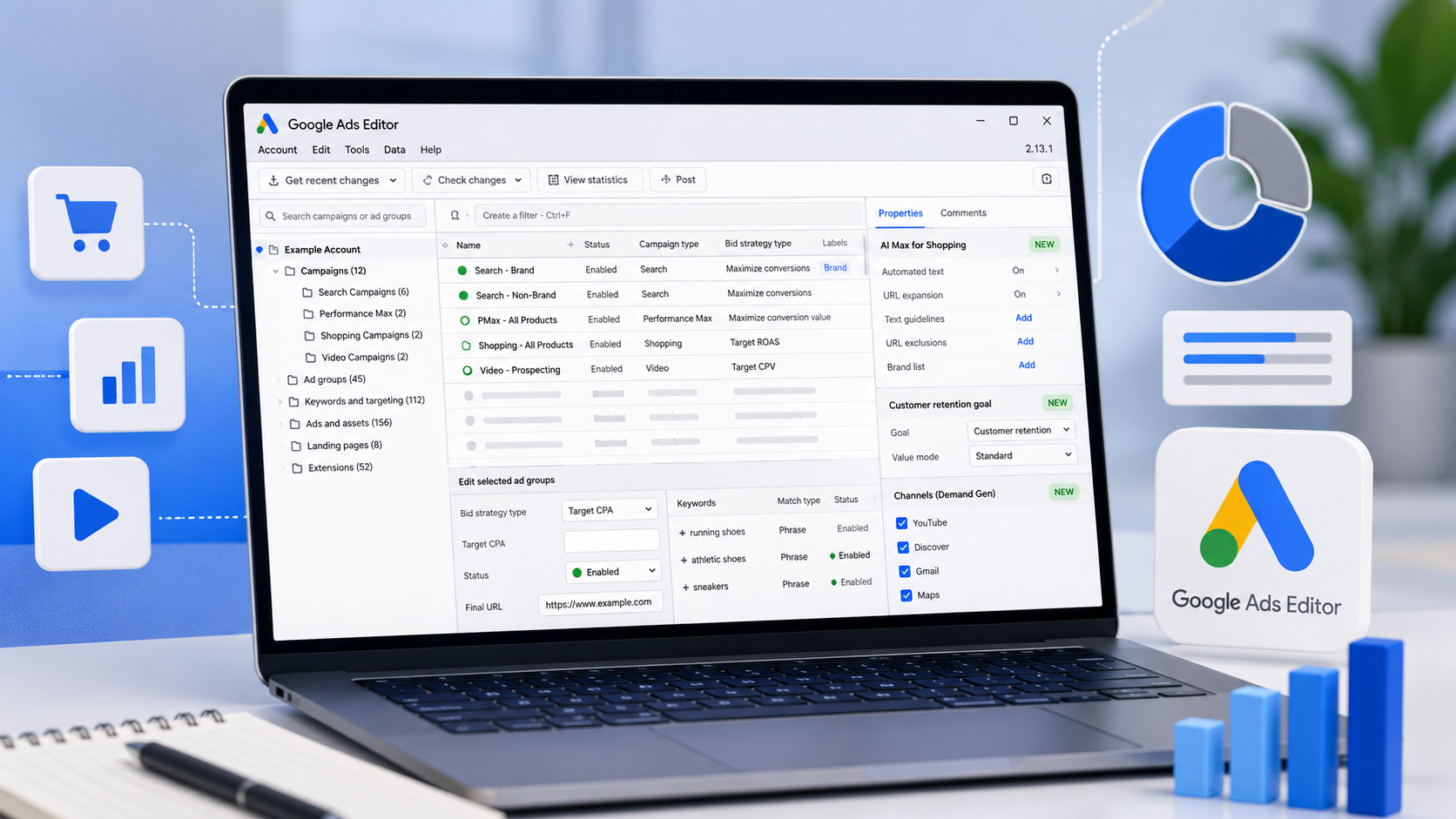
Google Ads Editor 2.13: How AI Updates Are Reshaping Campaign Operations
Google Ads Editor 2.13 signals a major shift in how AI is integrated into campaign management. For ad ops managers, media planners, and marketing technologists, this update demands a re-evaluation of workflows, creative asset management, and the need for robust campaign operations platforms to maintain strategic control amidst increasing automation.
Read more →Ready to streamline your campaign operations? Sign up for AdSoda and take control of your media planning and ad activation — free to get started.