
Heads Up: Google Shifts Offline Conversions – Is Your Campaign Operations Ready?
Google's sunsetting offline conversion imports through the Google Ads API, pushing a migration to the Data Manager API by June. Is your campaign operations ready? This demands an agile and adaptable approach to ad operations.

The clock is ticking, and Google's making a move that could throw a wrench in your carefully planned campaign operations. They're sunsetting offline conversion imports through the Google Ads API, pushing developers (and, by extension, you) to migrate to the Data Manager API by June. This isn’t just a minor tweak; it’s a fundamental shift in how you’re feeding crucial conversion data back into the Google Ads ecosystem. If you’re relying on offline conversion data to optimise campaigns – and let's face it, who isn't these days – you need to be proactive.
Why should you care? Because fragmented data means fractured insights, wasted ad spend, and ultimately, diminished ROI. When your online campaigns are influenced by real-world conversions (think phone calls, in-store purchases, or qualified leads captured offline), a seamless data flow is paramount. The integration between online and offline data helps inform bidding strategies and optimize for the best business results. Failure to adapt to this change could lead to delays in data syncing, inaccurate campaign reporting, and missed optimisation opportunities.
The Devil is in the Data Manager Details
The shift to the Data Manager API presents both challenges and opportunities. On the one hand, it introduces a new technical hurdle – migrating your existing integration, understanding the new API structure, and ensuring data integrity during the transition. This migration requires immediate action to avoid disruptions to your campaign operations. However, it can also be an opportunity to rethink your data integration strategy. The Data Manager API is intended to provide a more unified and robust data pipeline, potentially unlocking access to new data points and insights previously unavailable. The key lies in understanding its capabilities and leveraging them to your advantage.
Clean Data: The Foundation of Effective Campaigns
Beyond the API shift, this situation underscores a critical truth in advertising: data quality is king. Garbage in, garbage out. Before rushing to adapt your code, take a hard look at your campaign metadata management practices. Are your naming conventions consistent? Are your conversion tracking parameters accurately configured? This is where the power of a robust campaign operations platform becomes clear. A campaign operations platform centralizes and standardizes data across all advertising channels, providing a single source of truth and helps to ensure the data quality needed for accurate reporting and optimization.
For example, AdSoda’s naming convention software helps to prevent inconsistencies in campaign names, which can make it difficult to track performance and optimize campaigns. Standardized naming conventions ensure data accuracy, so marketers can easily and quickly understand and report on campaign results. This is especially helpful when running tests and analysing performance.
Future-Proofing Your Ad Ops
Google’s move highlights a larger trend: the increasing complexity of the advertising technology landscape. Platforms are constantly evolving, APIs are changing, and data privacy regulations are becoming more stringent. This demands a more agile and adaptable approach to ad operations. The more that can be automated, the better. By leveraging a campaign operations platform, you can automate key tasks such as media planning, creative asset management, and campaign QA software. Investing in robust media planning software and a comprehensive campaign QA software ensures that your data integrations are resilient to change and that your data quality remains high.
Don’t wait until June to scramble. Audit your current offline conversion integration, assess the resources required for the Data Manager API migration, and start testing the new integration now. Consider this a prime opportunity to review and optimize your entire campaign metadata management and data integration strategy, ensuring that your ad operations can not only keep up but thrive in an ever-evolving advertising ecosystem. Proactive planning now will save headaches (and budget) later.
You might also like

Google Ads API v20 Sunset: Is Your Campaign Operations Ready?
Google Ads API v20 is going away on June 10th. Is your campaign operations foundation ready for these transitions? What are you doing to leverage APIs effectively to build resilient, efficient campaigns?
Read more →
Beyond the Headlines: What Audience Shifts in Q3 2026 Mean for Your Ad Ops Strategy
External factors profoundly impact audience attention. Learn how robust campaign operations and an agile platform are essential for digital marketers to navigate seasonal dips, audience fragmentation, and optimize campaign performance through data-driven strategies and efficient asset management.
Read more →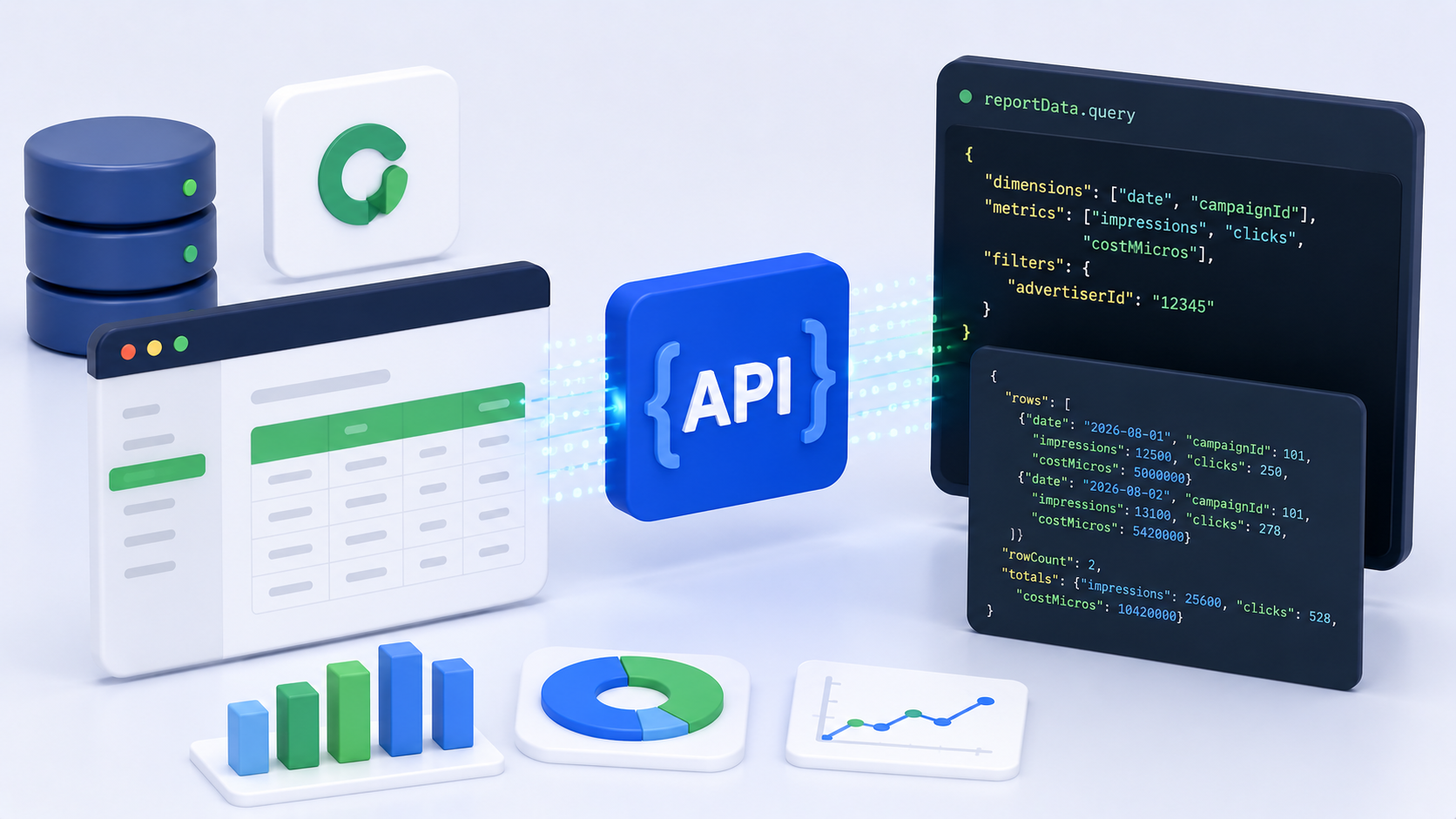
The Need for Speed: Google CM360's New API Endpoint and the Future of Real-Time Ad Ops
Google's new CM360 API endpoint, `reportData.query`, is a game-changer for ad ops, media planners, and campaign managers. It enables real-time data access for faster insights, empowering agile optimization and decision-making by eliminating report latency. Discover how this update transforms campaign operations and data strategy.
Read more →Ready to streamline your campaign operations? Sign up for AdSoda and take control of your media planning and ad activation — free to get started.