Navigating the New Frontier: ChatGPT Ads' Latest Updates and Your Ad Operations Imperative
OpenAI’s ChatGPT Ads platform is evolving rapidly, introducing oCPC campaigns, enhanced measurement, and new formats. But for ad ops and campaign managers, these advancements mean new complexities in managing campaign metadata, ensuring data integrity, and streamlining operations. Discover how to leverage these changes for efficiency rather than being overwhelmed.

The digital advertising landscape is a perpetual motion machine, constantly churning out innovations that promise greater efficiency and performance. Yet, for the seasoned ad ops manager or media planner, each 'innovation' often translates into a new layer of complexity to integrate, manage, and optimize. The recent slew of updates from OpenAI's ChatGPT Ads platform – encompassing oCPC campaigns, expanded measurement integrations, and new ad formats – is a prime example. These aren't just shiny new features; they represent a significant operational shift, demanding a re-evaluation of how campaigns are structured, tracked, and scaled.
At a time when platform proliferation already strains resources, the integration of AI-driven ad buying and optimization tools like ChatGPT Ads adds another dimension to the challenge. The question isn't if you'll leverage these tools, but how you’ll do so without compromising data integrity, operational efficiency, or strategic oversight. This requires a proactive stance, understanding not just what these updates do, but what they demand from your campaign operations platform and the underlying processes.
Operationalizing Performance & New Campaign Types
OpenAI's rollout of conversion-optimized cost-per-click (oCPC) campaigns in beta signals a clear push towards performance-driven advertising. While the promise of optimizing towards conversions while paying per click is enticing, it introduces new considerations for campaign setup and management. Teams accustomed to traditional CPC models will need to adapt their bidding strategies, budget allocation, and reporting frameworks. The ability to clone existing CPC campaigns into oCPC or create them in bulk offers a path to efficiency, but only if your ad operations platform can seamlessly manage the transition of campaign metadata management and ensure consistent data integrity across these evolving campaign types.
Crucially, the introduction of dynamic URL parameters for automatically appending campaign, ad group, and ad IDs to landing page URLs is a significant step forward for granular attribution and analytics. However, the value of this feature is entirely dependent on robust naming convention software and a disciplined approach to tracking parameters. Without a centralized system to define and enforce these conventions, dynamic parameters can quickly lead to a tangled web of inconsistent data, hindering accurate performance analysis across your broader media mix. Your ability to integrate and standardize this information within a comprehensive media planning software is paramount to unlocking its full potential, ensuring that insights derived from ChatGPT Ads contribute meaningfully to your overall strategy.
Elevating Measurement & Attribution Accuracy
Measurement is the bedrock of effective advertising, and OpenAI is clearly addressing this with enhanced integrations and diagnostics. The new connections with platforms like Triple Whale, Sonar Optimize, and Hightouch offer powerful avenues for consolidating performance data and strengthening conversion signals. Yet, for ad ops professionals, this proliferation of data sources also highlights the critical need for a unified view. How do you reconcile data discrepancies across multiple platforms? How do you ensure that conversion events sent back to OpenAI are not only accurate but also consistent with what's reported in your primary analytics tools?
The default implementation of Automatic Advanced Matching (AAM) for new and existing web pixels is a welcome development, significantly improving conversion attribution accuracy by leveraging hashed customer data. This reduces reliance on third-party cookies and enhances the fidelity of your measurement. However, this advancement underscores the necessity for rigorous campaign QA software and processes. Detailed Pixel validation diagnostics within Ads Manager are invaluable, providing insights into rejected conversion events. Your ad operations team needs to be equipped to not only identify these issues quickly but also to implement fixes efficiently, ensuring that every valuable conversion signal is captured and optimized against.
The Strategic Imperative for Ad Operations
As ChatGPT Ads expands into new markets like Brazil and Mexico, and tests multi-product carousel formats, the operational footprint for advertisers grows. More markets mean more localized content, more varied audience segments, and potentially more compliance considerations. New ad formats demand innovative creative asset management and dynamic creative optimization. These aren't merely tactical execution tasks; they are strategic challenges that require robust infrastructure and scalable processes.
The real power of these updates isn't just in the features themselves, but in how well your organization can operationalize them. A sophisticated campaign operations platform isn't just a nice-to-have; it's essential for managing the sheer volume and complexity of campaigns, assets, and data across a fragmented ad tech ecosystem. By centralizing campaign metadata management, standardizing naming convention software, and embedding robust campaign QA software into your workflows, you transform these rapid platform advancements from potential points of friction into levers for competitive advantage. The future of ad ops lies in not just executing campaigns, but intelligently orchestrating them across an increasingly dynamic and AI-driven landscape.
Image
Gemini Nano Banana
You might also like

Beyond the Chatbot: OpenAI's Ad Expansion and the Operational Imperative for Agile Media Planning
OpenAI's expansion into new European ad markets signals a critical shift: AI is becoming a core ad channel. For ad ops managers and media planners, this presents significant opportunities but also operational complexities. Learn how to manage creative assets, naming conventions, and QA for AI-driven ads with a robust campaign operations platform like AdSoda.io, ensuring agility and consistency in an evolving ad ecosystem.
Read more →
From Sneaker Surge to Seamless Launch: The Operational Imperative in Modern Ad Campaigns
Anthropologie's surprising sneaker growth and subsequent Nike launch highlight more than just a retail trend. For ad ops, campaign managers, and media planners, it's a masterclass in the operational complexities of translating market insights into high-impact, multi-channel advertising campaigns. Discover how robust campaign operations platforms are critical for managing creative assets, media planning, and flawless execution in a rapidly evolving digital landscape.
Read more →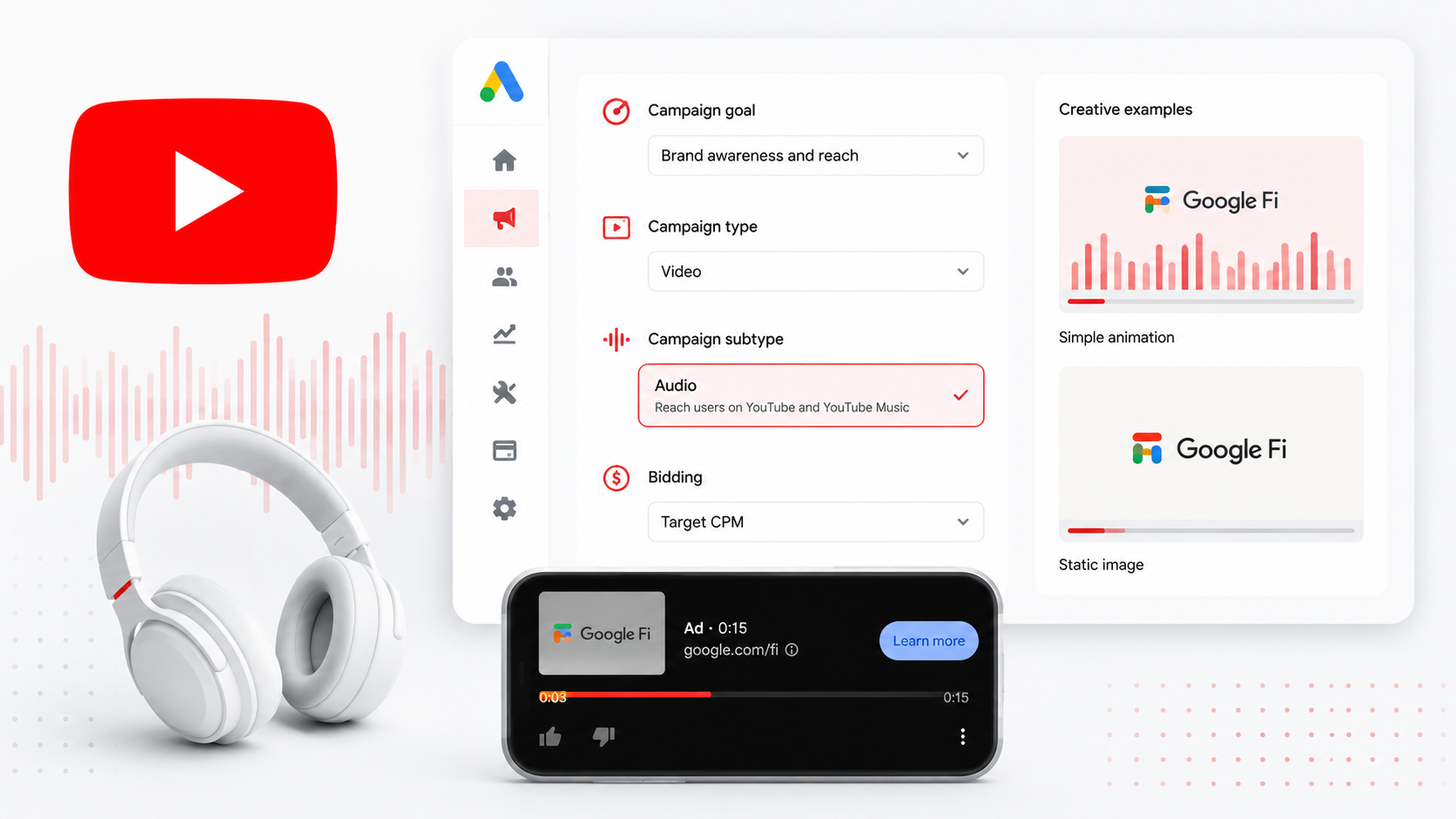
Operationalizing YouTube Audio Ads: A Media Planner's Guide to Listening-First Campaigns
Google's new guide for YouTube Audio Ads signals a critical shift to 'listening-first' campaigns. Discover how this impacts ad ops and media planning, and why a robust campaign operations platform is essential for managing creative assets, metadata, and QA in this evolving landscape.
Read more →Ready to streamline your campaign operations? Sign up for AdSoda and take control of your media planning and ad activation — free to get started.