Optimizing Your Ad Ops Stack: Integrating Google Analytics Dashboards for Deeper Insights
Google Analytics' new customizable Dashboards streamline post-click performance reporting. But for true efficiency, ad ops professionals need to integrate these insights with robust pre-launch campaign operations, ensuring data quality and consistency from the very start. Learn how to leverage specialized platforms for a holistic, proactive approach to campaign optimization.

The modern digital advertising landscape often feels less like a well-oiled machine and more like a high-stakes scavenger hunt. Campaign managers, media planners, and ad ops professionals are constantly sifting through disparate platforms, dashboards, and spreadsheets, trying to piece together a coherent picture of performance. The tension is palpable: an ever-growing volume of data vs. the critical need for immediate, actionable insights to optimize spend and achieve KPIs.
This challenge is precisely why tools that consolidate and clarify data are invaluable. Google Analytics’ recent launch of customizable Dashboards, while seemingly an incremental update, offers a significant opportunity for ad ops teams to streamline their post-click performance monitoring. But the true power isn't just in the dashboards themselves; it's in how they integrate into a holistic campaign operations platform strategy.
Bringing Post-Click Performance into Focus
Historically, extracting tailored performance views from Google Analytics often involved toggling between multiple standard reports or painstakingly building custom reports from scratch. The new Dashboards feature addresses this head-on, providing a centralized, drag-and-drop workspace to consolidate your most critical KPIs and visualizations. Imagine having a single pane of glass for your website's performance metrics, customized to the specific needs of your campaign or team.
For ad ops managers, this means faster routine performance monitoring. Instead of jumping from Audience Overview to Acquisition to Conversions, you can now build a custom dashboard that aggregates key metrics like traffic sources, bounce rates, conversion goals, and time on page – all within a unified view. This empowers media planners to quickly assess the effectiveness of their channels post-click and for campaign managers to track specific campaign objectives without getting lost in data sprawl. The ability to manually position, resize, and align various visualizations – from scorecards for high-level KPIs to funnel charts for conversion steps – offers unparalleled flexibility in tailoring your data narrative.
Crucially, these dashboards can be published directly to your GA Reports navigation, making them accessible property-wide to anyone with viewer access. This fosters transparency and ensures everyone from marketing technologists to individual campaign specialists is working from the same, standardized performance truth. While there are initial limits (15 cards for standard properties, 30 for premium), the core functionality significantly reduces the manual effort in compiling essential GA data, freeing up valuable time for strategic analysis rather than data extraction.
Connecting the Dots: From Operations to Analytics
While Google Analytics Dashboards excel at summarizing post-click performance, they are just one crucial component of a comprehensive ad operations platform strategy. The effectiveness of any GA dashboard — or any analytics tool, for that matter — hinges on the quality and consistency of the data flowing into it. This is where the operational “heavy lifting” comes in, long before a single click registers in GA.
Consider the intricate process of launching a campaign: creative asset versions, budget allocations, targeting parameters, and, critically, campaign metadata management. Discrepancies in naming convention software or a lack of standardized tagging can quickly turn even the most robust GA dashboard into a messy, unreliable source of truth. If your UTM parameters aren't consistent, or if campaign IDs aren't uniformly applied across ad platforms, then aggregating and comparing performance data becomes a statistical nightmare.
This is where a platform like AdSoda.io becomes indispensable. Before a campaign even goes live, AdSoda streamlines the entire pre-launch workflow: managing creative assets, facilitating media planning software integrations, standardizing campaign metadata management, and enforcing naming convention software protocols. By ensuring consistent data inputs from the outset, AdSoda acts as a campaign QA software, guaranteeing that the campaigns you launch are not only error-free but also designed to provide clean, actionable data to analytics platforms like Google Analytics.
The synergy is clear: AdSoda ensures the operational integrity of your campaigns, providing the foundational data quality needed for GA Dashboards to deliver genuinely insightful performance analysis. Without robust front-end operations, even the most customizable dashboard will struggle to present a clear, actionable picture.
The Path Forward: Integrated Insight, Proactive Optimization
The launch of Google Analytics Dashboards is a welcome step towards simplifying performance reporting, offering a powerful way to visualize post-click metrics directly within GA. For ad ops managers, media planners, and campaign specialists, this means less time spent manually aggregating data and more time focusing on what truly matters: understanding performance drivers and identifying optimization opportunities.
However, true efficiency and deep insight in digital advertising demand an integrated approach. Leverage these new GA Dashboards to surface key performance trends, but remember that the journey to optimal performance begins much earlier in the campaign lifecycle. By coupling sophisticated analytics tools with a dedicated campaign operations platform like AdSoda.io, which enforces campaign metadata management and naming convention software from the ground up, you move beyond reactive reporting. You build an ecosystem where operational excellence fuels analytical clarity, enabling proactive optimization and truly data-driven decision-making across your entire ad stack. This holistic view is not just about seeing the numbers; it’s about understanding the 'why' and acting on it, ensuring every campaign is set up for success from concept to conversion.
You might also like
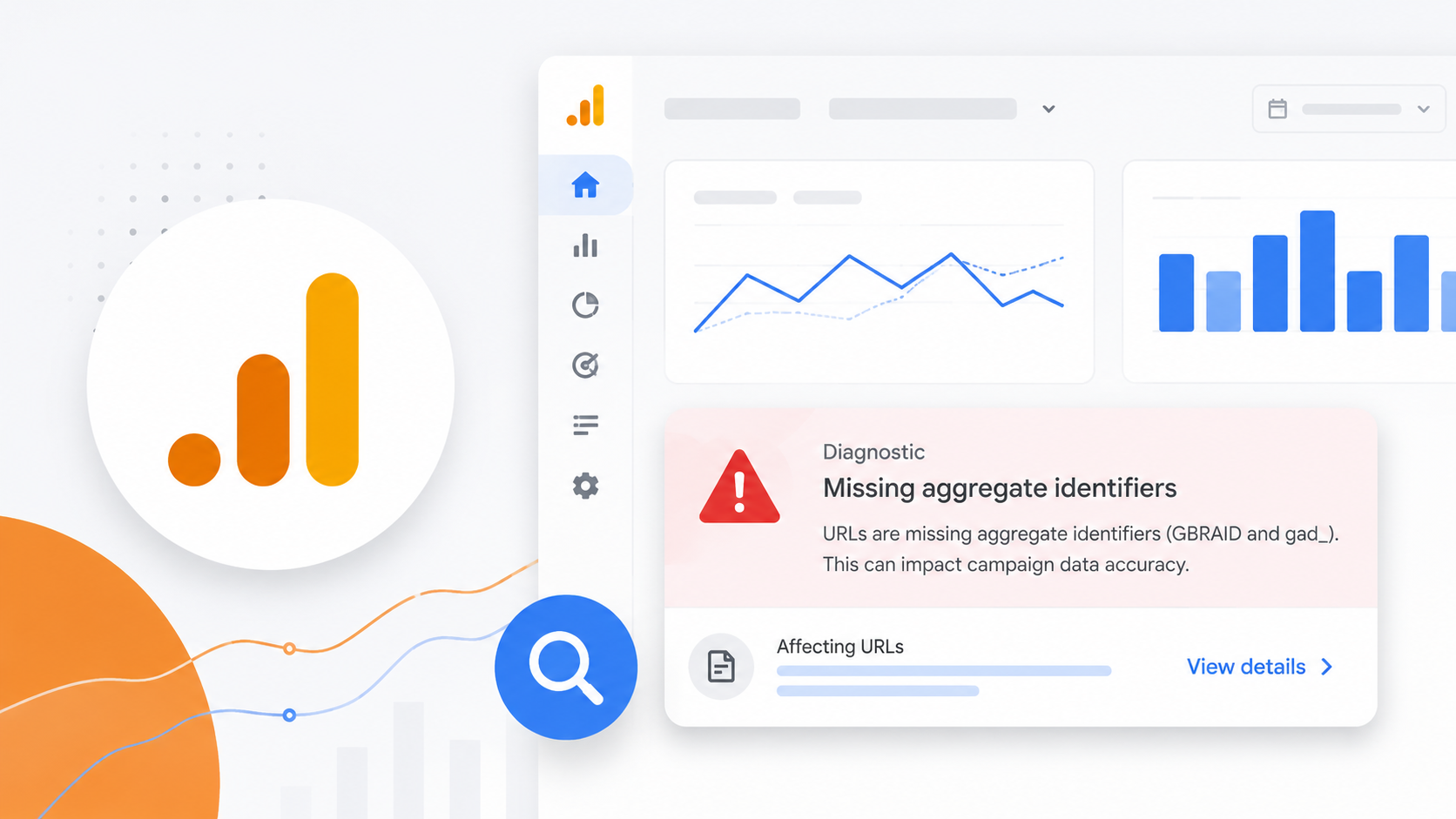
From Missing Parameters to Missing Insights: Strengthening Your Campaign Ops with Precision Data
Google Analytics' new alert for missing URL parameters signals a deeper challenge in campaign operations: data integrity. Learn how proactive metadata management and integrated campaign operations platforms can prevent data gaps, improve attribution accuracy, and enhance overall campaign performance.
Read more →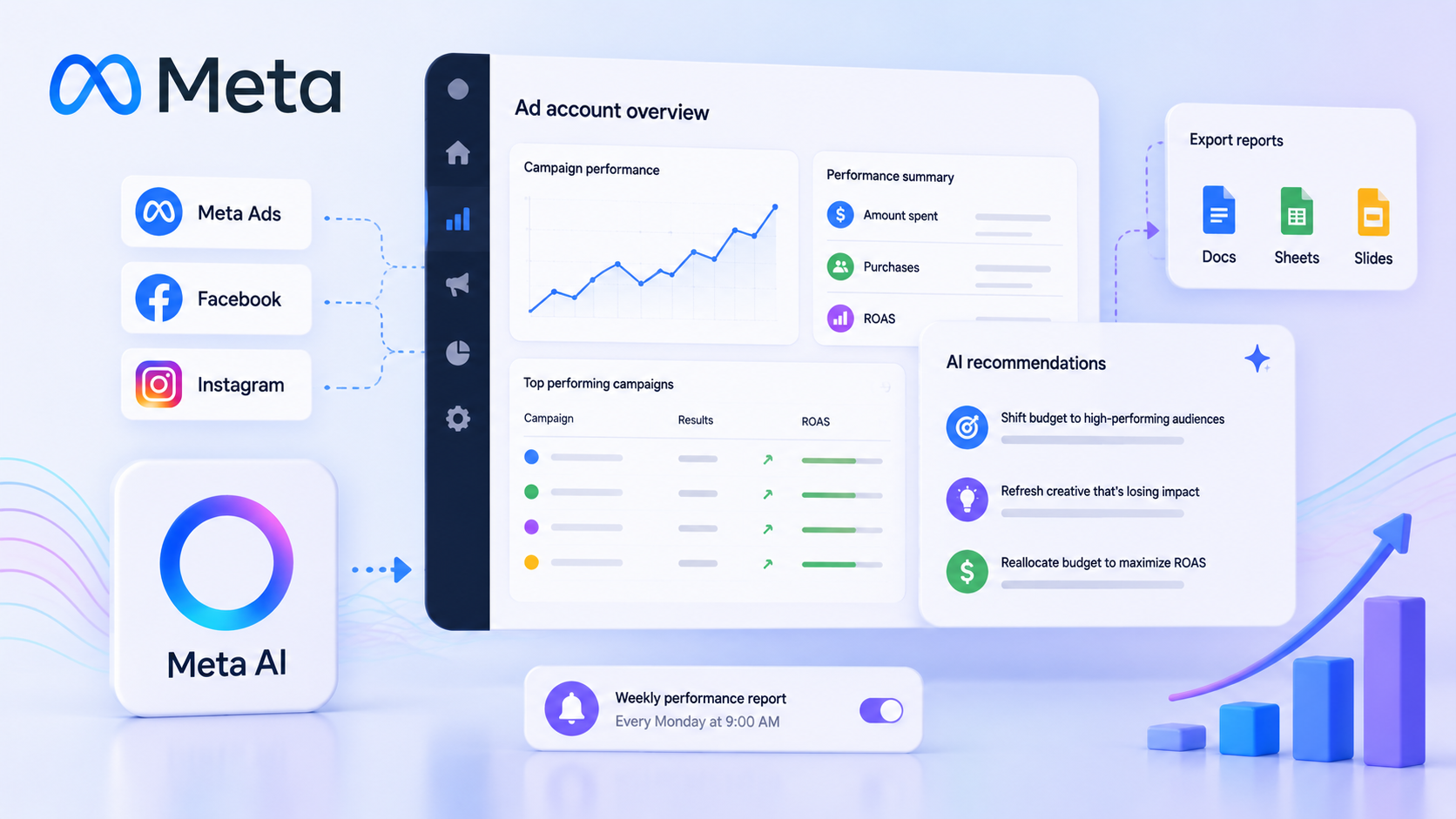
The AI Assistant is Here: How Meta AI Impacts Your Campaign Operations Platform Strategy
Meta AI is stepping directly into campaign optimization, promising to revolutionize how ad ops teams analyze performance. But for seasoned professionals, the real challenge lies in integrating these insights into existing campaign operations platforms and workflows, ensuring control, consistency, and true actionable intelligence.
Read more →
Beyond Attribution: Operationalizing Creator Value in the Modern Ad Stack
The rise of the creator economy presents both immense opportunity and significant operational challenges for ad ops and media planning professionals. Discover how fragmented creator partnerships lead to misattribution and inflated costs, and learn how to shift from last-click metrics to measuring true incremental value. This article outlines a strategic approach to unifying creator campaigns, ensuring compliance, and maximizing ROI with a robust campaign operations platform.
Read more →Ready to streamline your campaign operations? Sign up for AdSoda and take control of your media planning and ad activation — free to get started.