
Pre-Election Ad Blackout: Operational Strategies for Uninterrupted Campaign Compliance
Meta's upcoming political ad restriction isn't just a policy; it's an operational challenge. Learn how ad ops professionals can leverage campaign operations platforms, advanced metadata management, and proactive QA to ensure compliance and maintain campaign integrity in a volatile ad landscape.
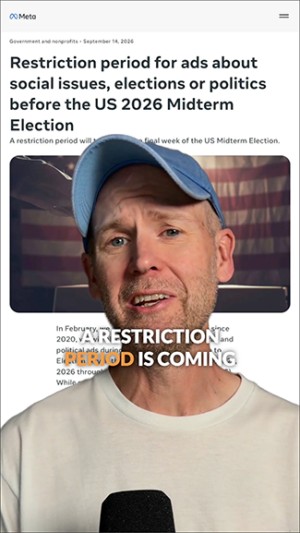
The calendar flip to late October often signals a subtle but significant operational pivot for ad ops and media teams. For those navigating political, social issue, or election-related campaigns, it’s not just about holiday planning; it’s about a hard stop on new ad activations on platforms like Meta. This isn't just a policy memo to skim; it's a critical operational challenge that can unravel weeks of strategic planning, creative development, and media buying if not managed proactively.
Meta’s well-established restriction period – kicking off at 12:01 AM PT on October 27th, blocking any new ads about social issues, elections, or politics from running until after Election Day – might seem straightforward: just don't launch new ads. But for seasoned ad ops managers, media planners, and marketing technologists, the implications ripple far beyond this single directive. It speaks to a broader, ongoing tension: the constant evolution of platform policies and the immense pressure it puts on operational agility and compliance.
The Hidden Costs of Policy Surprises
It’s not merely about 'not launching new ads.' Consider the resources poured into developing creatives that suddenly can't see the light of day. Or the meticulously crafted media budgets allocated to flighting strategies that now have unexpected gaps. This isn't a minor inconvenience; it's a potential operational crisis that demands immediate re-strategizing, re-allocating, and often, fire-fighting under immense pressure. The financial and reputational costs of non-compliance, or even just stalled campaigns, can be substantial.
This annual policy isn't an isolated incident. It’s a recurring example of how platform-specific rules can throw a wrench into even the most sophisticated campaign plans. The challenge isn't just knowing the rule; it's about embedding that knowledge into every facet of your campaign operations platform. Without robust systems for campaign metadata management and campaign QA software, you risk launching non-compliant ads, missing critical windows, or wasting valuable team bandwidth correcting avoidable errors. This level of oversight can't be an afterthought; it needs to be an integral part of your workflow from conception to activation.
Proactive Compliance: Beyond the Checklist
The key to navigating these predictable-yet-disruptive restrictions lies in building a robust, proactive compliance framework. This starts with enhanced media planning software that flags policy timelines early, integrating these critical dates directly into your campaign calendar. It extends to rigorous campaign metadata management, ensuring every ad creative, every target audience, and every piece of copy is accurately tagged, reviewed, and approved well in advance. Without this granular control, identifying and rectifying non-compliant assets becomes a nightmare under pressure.
This is where a dedicated campaign operations platform like AdSoda.io becomes indispensable. It centralizes creative asset management, allowing teams to track creative approval status, manage version control, and conduct compliance checks against platform policies before final submission. Imagine a system where policy changes are automatically cross-referenced against your active and pending campaigns, highlighting potential conflicts before they become problems.
Implementing standardized naming convention software within your platform further ensures that ad assets are not only compliant but also easily identifiable and trackable, minimizing human error in the critical pre-restriction window. This precision is vital for an ad operations platform to function effectively, particularly when dealing with the granular details that policy restrictions often entail.
Operationalizing Agility in a Volatile Landscape
Beyond a single restriction, these annual policy shifts highlight a larger truth: the ad landscape is inherently volatile. Ad ops managers and marketing technologists need systems that bake in agility and resilience. This means moving beyond spreadsheets and fragmented tools to a unified ad operations platform that provides a single source of truth for all campaign elements. From initial media plan development to creative production and final ad platform activation, every step needs to be interconnected and transparent.
Robust campaign QA software functionality is paramount. This enables automated checks against common policy violations, ensures all technical specifications are met, and verifies that final assets meet all compliance requirements long before critical deadlines. It's about shifting from reactive problem-solving to proactive prevention, safeguarding your campaigns against unforeseen hiccups and hard stops.
Don't just react to the Meta blackout; use it as a catalyst to audit and fortify your entire ad operations workflow. Assess your current campaign operations platform for its ability to integrate policy updates, streamline creative approvals, and manage campaign metadata with precision. Invest in capabilities that empower proactive media planning software and rigorous campaign QA software to ensure your team is always ahead of platform changes, not scrambling to catch up. The next policy shift isn't a matter of 'if,' but 'when' – be ready.
You might also like

When Brand Crises Emerge from the Archives: An Ad Ops Imperative
A brand crisis isn't just a PR headline; it's an operational challenge that exposes vulnerabilities in campaign management. Learn how robust campaign operations platforms, metadata management, and proactive QA can mitigate risks from latent issues and safeguard your brand's digital footprint.
Read more →
The Invisible Wrecking Ball: Why Indexing Gaps Threaten Your Ad Campaign Performance
A recent Google Search Console fix brought relief after a long indexing data delay, but it highlighted a critical vulnerability: how unindexed landing pages silently erode ad spend. This isn't just an SEO issue; it's a fundamental challenge for ad ops, media planners, and campaign managers. Learn how comprehensive ad operations platforms like AdSoda.io, with campaign metadata management and QA software, can bridge this data gap, safeguard your budget, and ensure campaign integrity in a world where foundational visibility is paramount.
Read more →
Beyond the Numbers: What Agency Growth Tells Us About Campaign Operations at Scale
Havas's strong North American growth highlights the critical role of operational excellence in the complex advertising landscape. For ad ops and campaign professionals, this signals the imperative to standardize workflows, leverage robust campaign metadata management, and invest in integrated ad operations platforms to ensure scalable, consistent performance amidst market shifts and M&A.
Read more →Ready to streamline your campaign operations? Sign up for AdSoda and take control of your media planning and ad activation — free to get started.