The AI Assistant is Here: How Meta AI Impacts Your Campaign Operations Platform Strategy
Meta AI is stepping directly into campaign optimization, promising to revolutionize how ad ops teams analyze performance. But for seasoned professionals, the real challenge lies in integrating these insights into existing campaign operations platforms and workflows, ensuring control, consistency, and true actionable intelligence.
The digital advertising landscape is a perpetual motion machine, and for those of us on the front lines of ad operations, it often feels less like a machine and more like a high-speed, multi-platform circus. We’re juggling an ever-increasing volume of data, battling platform silos, and pushing for efficiency while striving for meaningful impact. Every new feature, particularly one touting AI, arrives with a mixture of hope and skepticism: Can this finally cut through the noise, or is it just another tool adding to the complexity?
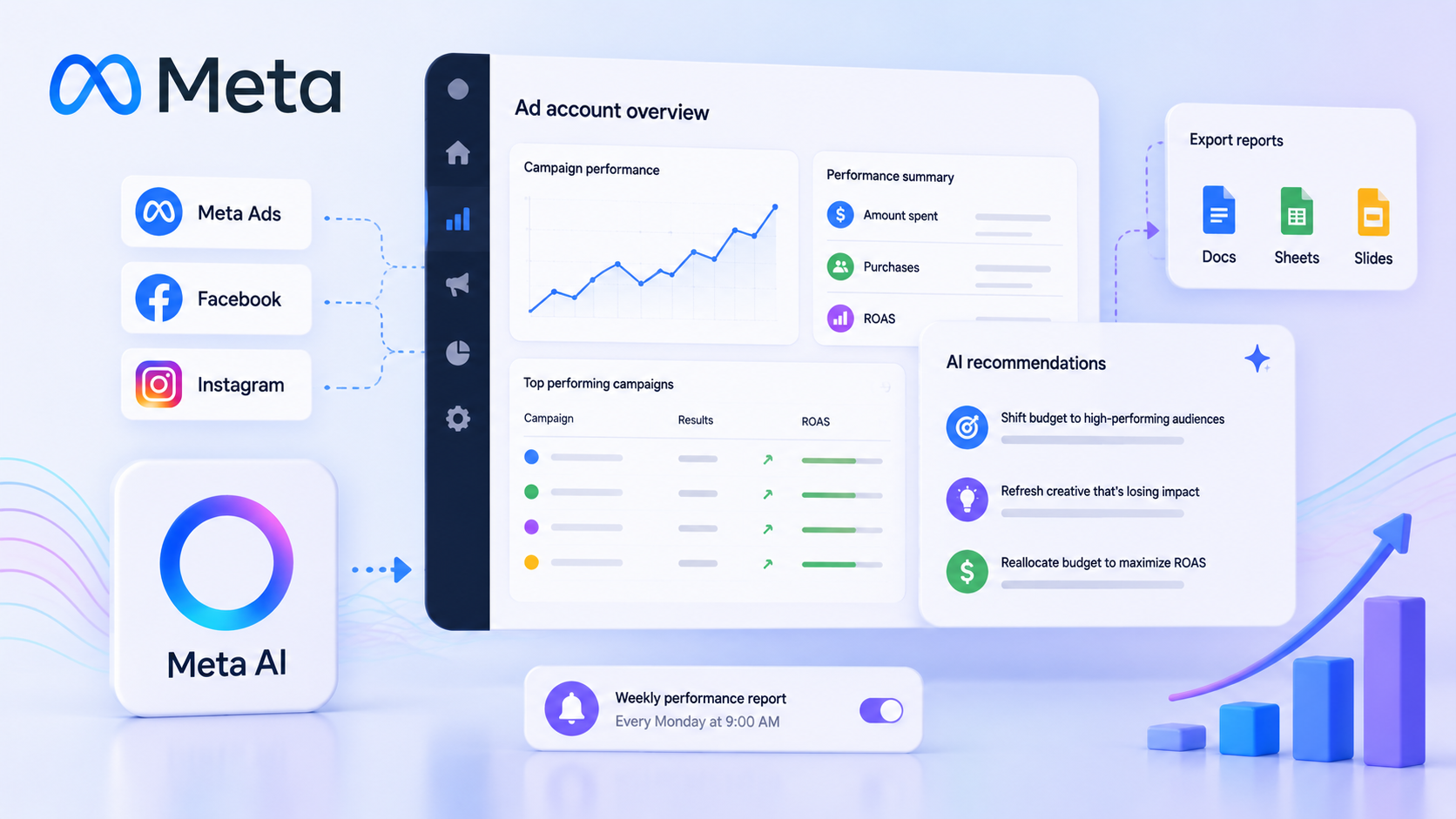
Meta’s latest expansion of Meta AI for businesses dives directly into this tension. By allowing direct connection to Meta Ad campaigns and Google Workspace data, Meta AI promises to transform campaign analysis, optimization, and reporting. For ad ops managers, media planners, and marketing technologists, this isn't just a shiny new toy; it's a significant development that demands a strategic look at how we integrate intelligence into our core campaign operations platform.
Operationalizing AI Insights: Beyond the Black Box
The promise is compelling: conversational data analysis that eliminates manual report digging, identifies struggling creative, assesses audiences, and flags budget inefficiencies. Meta AI now claims it can tell you which audiences are delivering results, uncover patterns in top-performing creative, and pinpoint where budgets could work harder. This moves beyond basic performance metrics, suggesting an ability to diagnose why certain creative might have stopped resonating or what common threads link successful assets.
For a busy ad operations team, the prospect of reduced manual analysis is a clear win. However, the critical question, as always, is one of trust and control. When an AI from the platform itself advises on how to spend more efficiently on that same platform, a layer of scrutiny is immediately warranted. This is precisely where a robust ad operations platform becomes indispensable. While Meta AI can surface insights, a centralized platform like AdSoda provides the neutral ground to validate these recommendations against broader business objectives, track their implementation, and ensure alignment with your overall media strategy, which may span multiple ad platforms. It’s about leveraging AI’s analytical power without ceding strategic oversight.
Streamlining Reporting & The Metadata Imperative
One of the most immediate benefits Meta AI offers is its ability to turn analysis into actionable documents, spreadsheets, and presentations. This can significantly reduce the grunt work involved in transforming raw data into client-ready reports or internal performance reviews. Imagine setting up recurring analysis tasks, where Meta AI regularly reviews campaign performance and provides updated summaries without a manual request each time. This is a clear step towards greater efficiency in routine campaign metadata management and reporting.
However, the efficacy of automated reporting hinges entirely on the quality and consistency of the underlying data. Without clear naming convention software protocols and meticulous campaign metadata management from the outset, even the smartest AI will produce muddled insights. Integrating Google Workspace data (Gmail, Docs, Sheets, Slides) adds more contextual layers, enriching Meta AI’s understanding. Yet, for an ad ops team managing campaigns across dozens of platforms, the challenge isn't just about accessing more data; it's about synthesizing it into a coherent, standardized format that fuels true cross-platform intelligence. This is where a dedicated media planning software and campaign operations platform like AdSoda ensures that all data – whether from Meta AI or other sources – adheres to a unified structure, making automated reports genuinely valuable and comparable.
Integrating AI into Your Campaign Operations Ecosystem
The advent of platform-specific AI assistants like Meta AI underscores a significant shift: AI isn’t just a buzzword; it’s becoming an embedded part of our day-to-day workflow. But for marketing technologists and campaign managers, the real task isn't simply adopting every new AI feature. It's about strategically integrating these intelligent tools into a cohesive campaign operations platform.
Meta AI can identify patterns and recommend optimizations. But what happens next? How do those recommendations translate into actionable changes across creative assets? How are those changes tracked, and how is their impact measured consistently? This is where a platform like AdSoda bridges the gap. While Meta AI might flag underperforming creative, AdSoda provides the creative asset management tools to quickly refresh, version, and deploy new assets. When Meta AI suggests budget reallocations, AdSoda’s media planning software can help you model those changes across your entire media mix, not just within Meta.
Ultimately, the goal isn't just to have AI analyze; it's to have AI inform a seamless, auditable, and scalable operational workflow. This means using campaign QA software to verify the effectiveness of AI-driven changes, leveraging robust campaign metadata management to ensure data integrity, and ensuring that all insights, regardless of source, feed into a central campaign operations platform that empowers human strategists, rather than replacing them.
The Future of Ad Ops: Orchestrating Intelligence
Meta AI's advancements are a strong signal of where ad ops is heading: a future where intelligent automation handles more of the analytical heavy lifting. For professionals navigating this evolution, the key is to view these tools not as standalone solutions, but as powerful components within a broader, integrated campaign operations platform strategy. The real competitive advantage will go to those who can effectively orchestrate these diverse sources of intelligence, ensuring data consistency, maintaining strategic control, and leveraging campaign QA software and naming convention software to turn AI insights into consistent, measurable campaign success across all platforms. Don't just react to new AI; proactively integrate it into an operational framework that empowers your team and delivers superior results.
You might also like

Optimizing Your Ad Ops Stack: Integrating Google Analytics Dashboards for Deeper Insights
Google Analytics' new customizable Dashboards streamline post-click performance reporting. But for true efficiency, ad ops professionals need to integrate these insights with robust pre-launch campaign operations, ensuring data quality and consistency from the very start. Learn how to leverage specialized platforms for a holistic, proactive approach to campaign optimization.
Read more →
The Operational Imperative of Brand Clarity: Why Ad Ops Can't Afford Ambiguity
In an era where every brand feels compelled to be a tech, media, and entertainment company all at once, digital marketing and ad operations teams face immense complexity. How do you scale campaigns efficiently without fragmenting your brand’s core identity? Discover why brand clarity is no longer just a marketing concern but an operational imperative that directly impacts campaign performance and efficiency, and how a robust ad ops platform can embed this clarity into your workflows.
Read more →
Meta Wants to Automate Your Ads. Here's How Ad Ops Stays in Control.
Meta's AI-driven ad placements and creative tools promise efficiency, but for ad ops professionals, they raise critical questions about control and strategic oversight. Discover how a robust ad operations platform can help you leverage automation without sacrificing brand consistency, compliance, and granular insights.
Read more →Ready to streamline your campaign operations? Sign up for AdSoda and take control of your media planning and ad activation — free to get started.