The Silent Shift: Google Ads Automates Conversion Lists – What It Means for Your Campaign Operations
Google Ads is now automatically enrolling advertisers in conversion-based customer lists. While this promises efficiency, it's a strategic pivot for ad ops and media planning, demanding proactive data governance and intelligent platform integration to maintain control and maximize campaign performance amidst evolving privacy standards.

In an increasingly privacy-centric digital landscape, where the deprecation of third-party cookies looms and first-party data becomes the bedrock of effective advertising, platforms are compelled to innovate. Google Ads, in a significant move, has begun automatically enrolling eligible advertisers into conversion-based customer lists. While seemingly a behind-the-scenes technical adjustment, this shift holds profound implications for ad ops managers, media planners, and campaign strategists seeking to maximize performance and maintain control in a rapidly evolving ecosystem.
For those already leveraging both Enhanced Conversions and Customer Match, this update is designed to streamline audience creation, automatically generating lists from your existing conversion data. On the surface, it promises greater efficiency and more relevant audience segments without additional manual implementation. But for the discerning professional, it raises immediate questions about data governance, strategic oversight, and the true cost of convenience.
Navigating the New Automation Landscape
The automatic creation of conversion-based customer lists offers a clear benefit: less manual effort in building highly targeted audiences. This is particularly valuable for time-poor professionals juggling multiple campaigns and platforms. By tapping into existing first-party conversion data, advertisers can theoretically achieve a higher degree of personalization and improved campaign performance. This directly impacts your media planning, allowing for more granular segmentation and refined budget allocation across ad groups.
However, the 'set it and forget it' mentality is a trap. While Google handles the list generation, the strategic responsibility for how these audiences are used—or not used—remains squarely with your team. This means understanding the underlying data sources feeding these lists, ensuring data quality, and aligning these automated segments with your broader marketing objectives. Effective campaign metadata management becomes even more critical here, ensuring clarity around audience definitions and their intended use cases. Without proactive oversight, you risk activating segments that may not be optimally configured for your campaign goals or, worse, running afoul of internal data governance policies.
Strategic Imperatives for Campaign Managers
This automatic enrollment isn't a passive convenience; it's an active call for a more robust data strategy. Here’s why:
- Data Governance and QA: While the lists are generated automatically, you retain control over their activation. This necessitates a rigorous internal QA process. What data points are truly driving these conversion lists? Are there any biases or anomalies? Utilizing robust campaign QA software can help audit these automatically generated segments, ensuring they align with your targeting strategy and privacy guidelines before they go live. A comprehensive ad operations platform should provide the tools to inspect and manage these new audience segments effectively.
- Strategic Opt-Out or Refinement: Google provides an opt-out. Deciding whether to accept the automation or disable it requires a strategic choice. For some, the automatic lists will be a boon. For others with highly specific or sensitive data segmentation strategies, manual control might be preferable. Even if you embrace automation, the ability to layer, combine, and refine these lists with other audience insights is crucial for advanced media planning software integration.
- Integration with Your Operations Stack: These new lists need to fit seamlessly into your existing campaign workflows. How will they be named? How will they be tracked? Consistent naming convention software integrated within your campaign operations platform becomes indispensable for maintaining order and clarity across potentially dozens or hundreds of automatically generated segments. A centralized platform like AdSoda.io can help orchestrate the management of these new audience assets, ensuring they are properly categorized, linked to the right creative, and integrated into your overall media strategy, providing a holistic view from planning to activation.
Beyond the Auto-Enrollment: What's Next for First-Party Data?
This move by Google Ads underscores a fundamental shift: platforms are increasingly abstracting away some of the manual work of audience building, putting the onus on advertisers to develop sophisticated first-party data strategies. It’s no longer just about collecting data, but activating it intelligently and with precision. The future of advertising success hinges on how effectively your team can manage, understand, and strategically deploy these automatically generated, privacy-compliant audience segments.
For ad ops teams and campaign managers, the actionable takeaway is clear: don't just let automation happen to you. Embrace it as an opportunity to refine your data governance, elevate your QA processes, and strategically integrate these new capabilities into your existing campaign operations platform. Proactive engagement with these automated tools, coupled with intelligent platform utilization, will differentiate leading advertisers in the evolving landscape of digital targeting.
You might also like
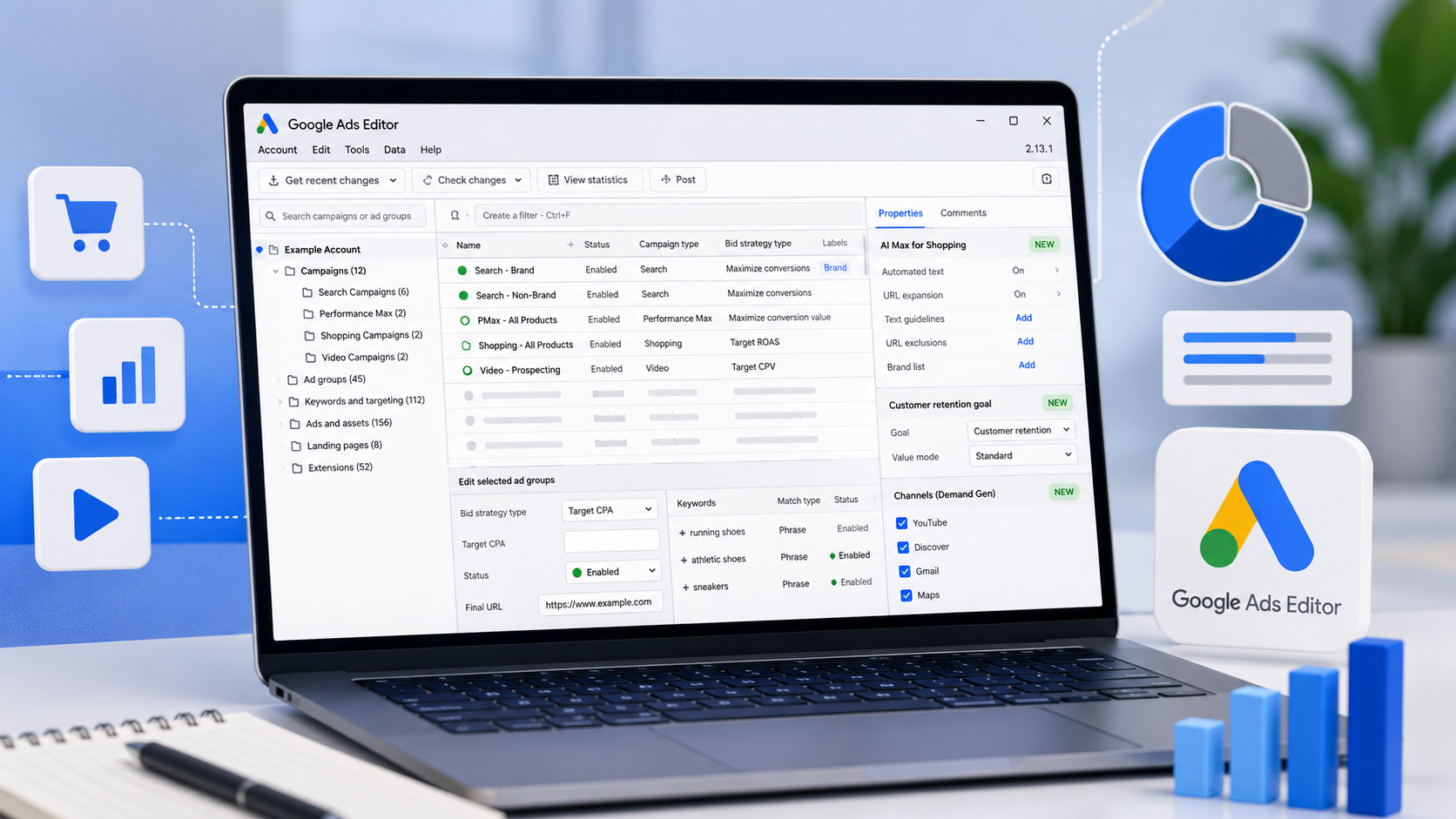
Google Ads Editor 2.13: How AI Updates Are Reshaping Campaign Operations
Google Ads Editor 2.13 signals a major shift in how AI is integrated into campaign management. For ad ops managers, media planners, and marketing technologists, this update demands a re-evaluation of workflows, creative asset management, and the need for robust campaign operations platforms to maintain strategic control amidst increasing automation.
Read more →
Beyond Keywords: Gemini 3.7 Flash and the Evolving Landscape of Ad Operations
Google's rollout of Gemini 3.7 Flash marks a significant shift in search, demanding that ad ops professionals rethink media planning, creative strategy, and campaign operations. Discover how enhanced AI intent understanding impacts your campaigns and the crucial role of structured data and platforms like AdSoda.io.
Read more →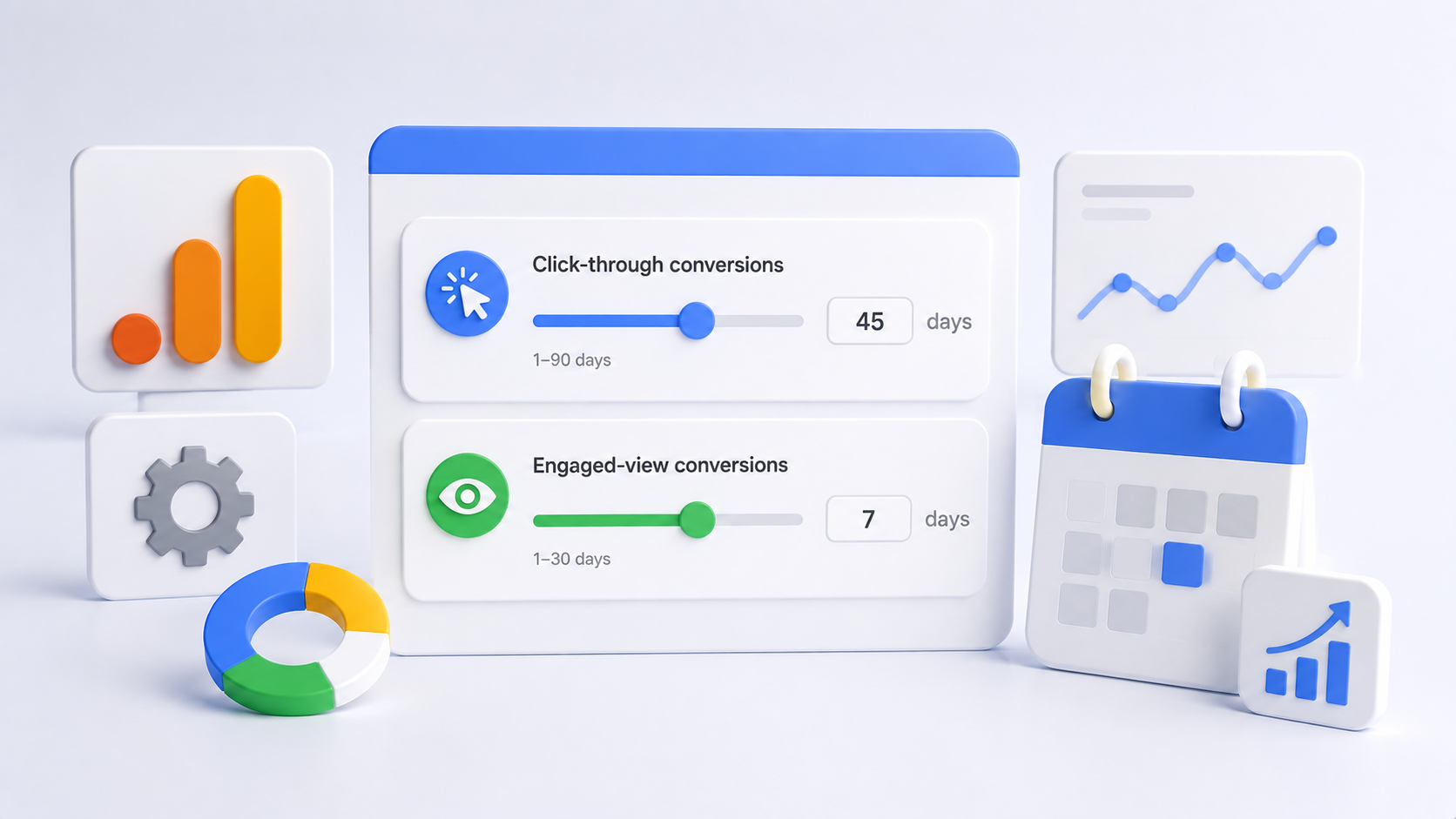
Beyond the Default: Google Analytics' Custom Attribution Windows Reshape Campaign Operations
Google Analytics' new custom attribution windows offer a game-changer for digital marketing and ad ops. Discover how this granular control empowers more accurate performance measurement, smarter media planning, and optimized campaign operations, and what it means for your platform strategy.
Read more →Ready to streamline your campaign operations? Sign up for AdSoda and take control of your media planning and ad activation — free to get started.