
Walmart+'s Mexican Expansion: A Blueprint for Retail Media's Data-Driven Future
Walmart+'s expansion in Mexico showcases how loyalty programs are fueling retail media networks with rich first-party data. Learn how this impacts ad operations, media planning, and the need for robust campaign management platforms to operationalize precision targeting.

Source: Unsplash
The digital advertising landscape is in constant flux, but few shifts are as profound and impactful as the rise of retail media networks (RMNs) and the increasing sophistication of first-party data strategies. For ad ops managers, media planners, and marketing technologists, this isn't just a trend; it's a fundamental re-architecture of how audiences are identified, targeted, and engaged. The recent launch of Walmart+ in Mexico, complete with unique local benefits and a competitive price point, isn't merely a business expansion story—it's a potent case study in how loyalty programs are becoming the linchpin of advanced retail media strategies, presenting both immense opportunities and operational complexities for brands.
Historically, advertising relied heavily on third-party cookies for audience segmentation. That era is swiftly receding. Today, retailers like Walmart, armed with vast troves of transactional and behavioral data from their loyalty programs, are emerging as formidable media owners. Walmart+ in Mexico, for instance, goes beyond free shipping. It bundles streaming services, health consultations, pharmacy discounts, and even additional high-speed mobile data through Bait, Walmart's own mobile internet provider. Each of these unique features isn't just a perk for consumers; it's a rich data point that paints an incredibly granular picture of customer lifestyle, preferences, and intent. For advertisers, this translates into unprecedented precision in targeting.
Consider the implications: a consumer using Walmart+ for groceries, streaming, and mobile data generates a comprehensive data profile. This allows brands to move beyond broad demographic targeting to deliver highly contextual and personalized ad experiences. Imagine a CPG brand targeting individuals who frequently purchase specific product categories, consume particular content, and use a certain mobile data plan – all within the Walmart ecosystem. This level of insight demands robust campaign metadata management to ensure every ad variant, every audience segment, and every placement is accurately tracked and optimized. The challenge, however, lies in operationalizing this data effectively across increasingly complex RMNs and other media channels.
Loyalty as a Strategic Data Engine
The unique features of Walmart+ Mexico—especially the inclusion of 2GB of high-speed data from Bait—underscore a critical strategic pivot. By integrating mobile connectivity, Walmart isn't just selling products; it's embedding itself deeper into the daily digital lives of its customers. This creates a continuous feedback loop of data: where they shop, what they watch, and how they connect. For media planners, this is gold. It offers a deeper understanding of the customer journey, allowing for the development of more sophisticated attribution models and audience cohorts within the ad operations platform.
This rich first-party data becomes the fuel for programmatic advertising within Walmart's own retail media ecosystem. Brands can leverage these insights to create highly relevant campaigns, predict purchasing behavior, and even influence brand loyalty directly at the point of sale, both online and in-store. The differentiator here isn't just the volume of data, but its proprietary nature and direct connection to commercial intent. This shifts the focus for brands from generic reach to hyper-targeted engagement, requiring a more nuanced approach to media planning software and execution.
Operationalizing Precision in a Fragmented Landscape
For digital marketing professionals, the rise of sophisticated RMNs and loyalty programs like Walmart+ presents significant operational hurdles. Managing creative assets, media plans, and campaign execution across multiple platforms – including various RMNs, traditional ad networks, and social media – becomes a labyrinth of compliance, version control, and performance tracking. The global nature of many brands, exemplified by Walmart+'s localized offerings, further compounds this complexity. Ensuring consistent brand messaging while adapting to regional nuances, like the specific benefits in Mexico, demands meticulous attention to detail.
This is where a robust campaign operations platform becomes indispensable. Imagine trying to coordinate ad creatives, copy variations, and landing pages for a product launch simultaneously across Walmart's RMN in Mexico, the U.S., and Canada, each with slightly different loyalty program integrations and audience segments. Without centralized naming convention software and rigorous campaign QA software, errors can quickly propagate, leading to wasted spend and brand inconsistency. Platforms designed for campaign metadata management help standardize workflows, automate asset versioning, and provide a single source of truth for all campaign elements, ensuring that localized strategies are executed flawlessly.
The future of advertising is undeniably data-driven and increasingly personalized. The strategic expansion of Walmart+ in Mexico highlights how major retailers are not just participating in this future, but actively shaping it by creating powerful first-party data ecosystems. For ad ops managers and media planners, the imperative is clear: embrace the complexity. Adapt your strategies to leverage these rich data sources, invest in integrated ad operations platform solutions that can manage cross-channel campaigns with precision, and prioritize seamless campaign metadata management to unlock the full potential of retail media. The ability to operationalize these advanced strategies effectively will be the ultimate differentiator in a fiercely competitive market, transforming what was once a product launch announcement into a strategic blueprint for your next winning campaign.
You might also like

Apple's Latest Privacy Tsunami: Operational Imperatives for Ad Ops and Media Planning
Apple's expanded identity blocking in Safari is creating operational challenges for ad ops and media planning. Discover how to adapt your strategies with first-party data and contextual targeting, leveraging campaign operations platforms like AdSoda for resilient, future-proof advertising.
Read more →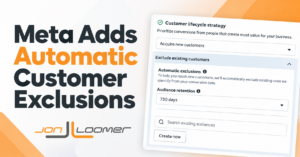
Meta's Automatic Customer Exclusions: A Strategic Shift for Ad Ops and Media Planning
Meta's new automatic customer exclusions are more than just a feature – they're a strategic shift for ad ops and media planning. Discover how this automation impacts campaign operations, creative management, and budget allocation, and why a robust campaign operations platform is essential to leverage it effectively. Learn to move beyond manual exclusion lists and embrace a holistic, data-driven approach to customer lifecycle management.
Read more →
The Operational Side of Deep Engagement: What KFC's Superfan Game Show Teaches Ad Ops
KFC's 30-minute superfan game show 'Don't Crack' showcases a strategic shift towards deeper, long-form content. But for ad ops, this presents a significant challenge: how do you operationalize authenticity? This post explores the campaign operations, creative asset management, and media planning implications for such innovative approaches, highlighting the need for robust platforms and naming conventions.
Read more →Ready to streamline your campaign operations? Sign up for AdSoda and take control of your media planning and ad activation — free to get started.