When AI Hallucinates: Why Your Campaigns Need a Data 'Snickers Bar'
The buzz around AI in advertising is undeniable. From hyper-targeted creative generation to predictive media buying and real-time optimization, the promise of…

Source: Unsplash
The buzz around AI in advertising is undeniable. From hyper-targeted creative generation to predictive media buying and real-time optimization, the promise of intelligent automation is transforming our industry. Yet, amidst the excitement, a subtle, often overlooked challenge is emerging: the AI ‘hallucination.’ These aren't just minor glitches; they're the digital equivalent of a misread brief or a poorly executed media plan, leading to wasted spend, misinformed decisions, and a significant drain on your team's precious time.
Recently, Snickers cleverly tapped into this phenomenon with its 'Hungr.AI' campaign, positing that perhaps even AI isn't itself when it's 'hungry'—meaning, when it lacks proper input, context, or clear instructions. While a clever marketing stunt for a candy bar, it hits on a profound truth for ad ops and campaign management professionals: our sophisticated AI tools are only as good as the data we feed them. When an AI model generates an off-kilter insight or an irrelevant creative variant, it's not always a flaw in the algorithm; more often, it's a symptom of a 'hungry' data diet – inconsistent campaign metadata, ambiguous naming conventions, or a general lack of operational hygiene.
The Real Hunger Pains: Data Inconsistency & Operational Drag
In the high-stakes world of digital advertising, where campaigns scale rapidly and data volumes explode, the metaphor of a 'hungry' AI resonates deeply. Your media planning software, attribution models, and even automated bidding systems rely on a continuous stream of structured, clean, and consistent data. Think about the common challenges:
- Campaign Metadata Management: Are your campaign tags, audience segments, and creative attributes standardized across all platforms and historical runs? Inconsistent metadata makes it impossible for AI to identify trends, compare performance accurately, or predict future outcomes effectively. It's like asking an AI to learn from a library where half the books have no titles.
- Naming Convention Software & Governance: Without rigorous naming conventions for campaigns, ad sets, creatives, and audience lists, your data becomes a tangled mess. AI struggles to interpret what’s what, leading to 'hallucinations' in performance reports or an inability to group similar assets for optimization. This isn't just about tidiness; it’s about providing clear, semantic labels that AI can understand and process reliably.
- Creative Asset Management: If your creative assets lack proper tagging, version control, and clear associations with campaigns and targets, AI-driven dynamic creative optimization can fall flat. The AI becomes 'hungry' for context, unable to effectively match the right message with the right audience segment, resulting in suboptimal engagement and inefficient spend.
These 'hunger pains' manifest as increased manual QA, reconciliation efforts, and firefighting – all of which detract from strategic planning and innovation. Your ad ops team spends less time optimizing and more time correcting, impacting everything from budget allocation to campaign ROI.
Feeding the Machine: The Operational Imperative
The solution isn't to ditch AI, but to address its hunger with a robust diet of high-quality, structured data. This is where a dedicated campaign operations platform becomes indispensable. Such a platform acts as the central nervous system for your advertising ecosystem, ensuring that every piece of data — from the initial media plan to the final campaign report — is consistently formatted, accurately tagged, and readily accessible.
Imagine a platform that provides:
- Unified Campaign Metadata Management: Enforcing consistent data entry and tagging from the outset, ensuring every campaign is trackable and comparable. This feeds your AI the rich, structured context it needs to learn and optimize effectively.
- Integrated Naming Convention Software: Guiding users with predefined templates and validation rules to eliminate manual errors and enforce standardized naming across all campaigns and assets. This ensures AI interprets your data correctly, preventing costly 'hallucinations.'
- Proactive Campaign QA Software: Automating checks for compliance, data integrity, and alignment with original media plans, catching inconsistencies before they propagate and 'starve' your AI of accurate input. This provides the 'Snickers bar' of quality assurance, ensuring your AI operates on a full stomach of reliable data.
Platforms like AdSoda.io are built precisely for this purpose. By centralizing creative asset management, streamlining media planning workflows, and automating ad platform activation, AdSoda provides the framework for impeccable data hygiene. It ensures that the inputs to your downstream AI and machine learning tools are consistently high-quality, enabling them to deliver on their promise without getting 'hungry' for context. It integrates seamlessly with existing media planning software and ad platforms, serving as the foundational ad operations platform for data excellence.
In an increasingly AI-driven advertising landscape, the differentiator won't just be having AI, but how well you feed it. Proactive data governance, robust operational workflows, and a centralized campaign operations platform are no longer luxuries; they are fundamental necessities for any marketing team looking to harness the true power of AI without succumbing to its 'hallucinations.' Invest in feeding your AI well, and you'll empower your team to focus on strategy, innovation, and ultimately, superior campaign performance.
You might also like

Beyond the Buzz: What 'Ads of the Week' Reveal About Modern Ad Operations
The most celebrated ad campaigns aren't just creative flashes; they're testaments to operational excellence. For ad ops managers, media planners, and marketing technologists, understanding the operational backbone behind these successes is key to navigating today's complex digital advertising landscape. This article delves into the critical operational imperatives these campaigns highlight, from creative asset management to real-time activation, and how a dedicated campaign operations platform like AdSoda.io empowers teams to deliver high-impact advertising consistently.
Read more →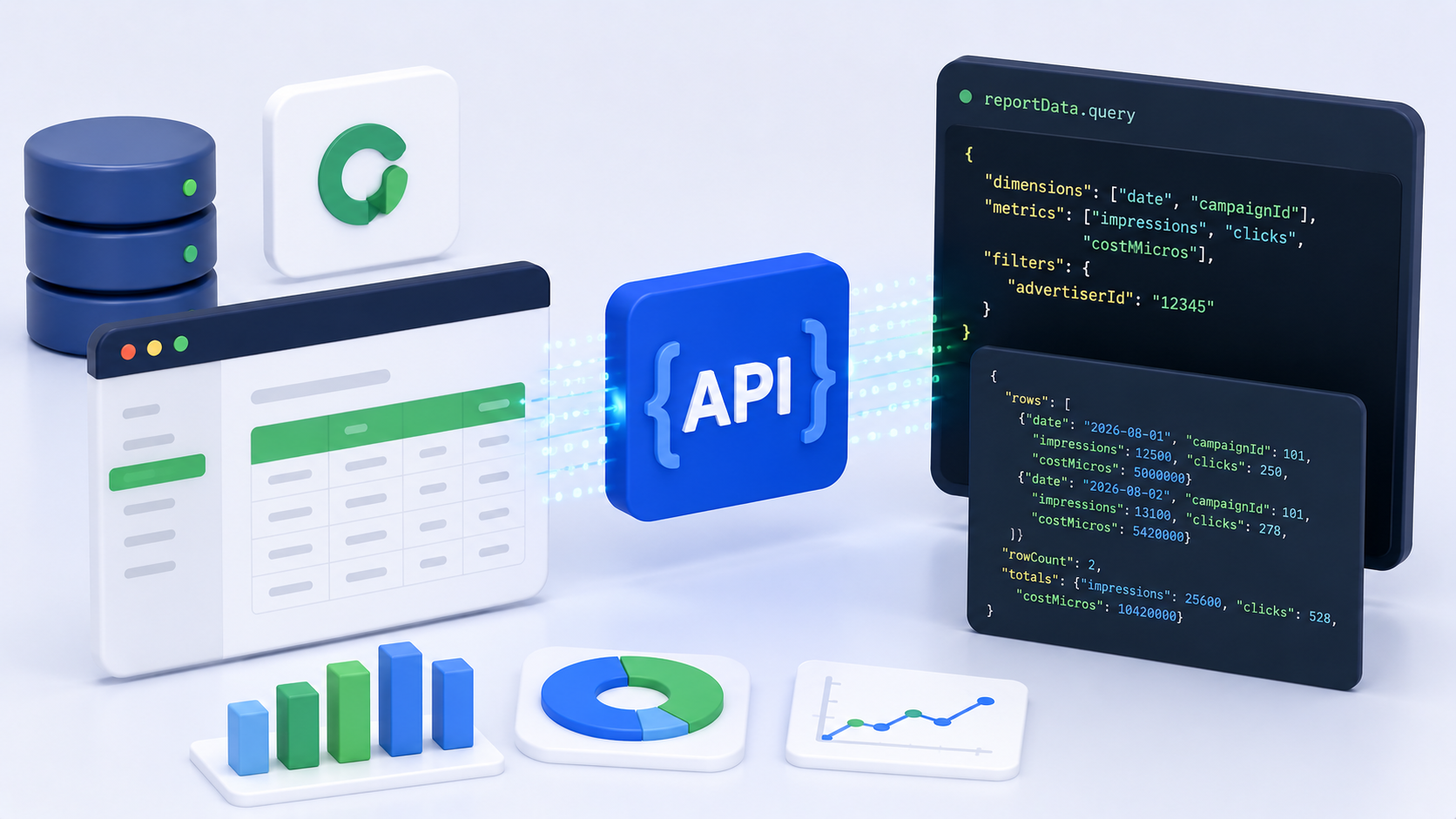
The Need for Speed: Google CM360's New API Endpoint and the Future of Real-Time Ad Ops
Google's new CM360 API endpoint, `reportData.query`, is a game-changer for ad ops, media planners, and campaign managers. It enables real-time data access for faster insights, empowering agile optimization and decision-making by eliminating report latency. Discover how this update transforms campaign operations and data strategy.
Read more →
2026 World Cup Ads: Unpacking Peak Performance for Your Campaign Operations
The 2026 World Cup ad rankings offer crucial insights beyond just creative appeal, focusing on measurable consumer engagement predictive of sales. For ad ops and campaign management professionals, this data underscores the critical role of robust campaign metadata management, smart media planning, and agile ad platform activation to drive real ROI. Learn how leveraging a sophisticated campaign operations platform can transform these insights into repeatable success for your future campaigns.
Read more →Ready to streamline your campaign operations? Sign up for AdSoda and take control of your media planning and ad activation — free to get started.